
Updated: August 20, 2026
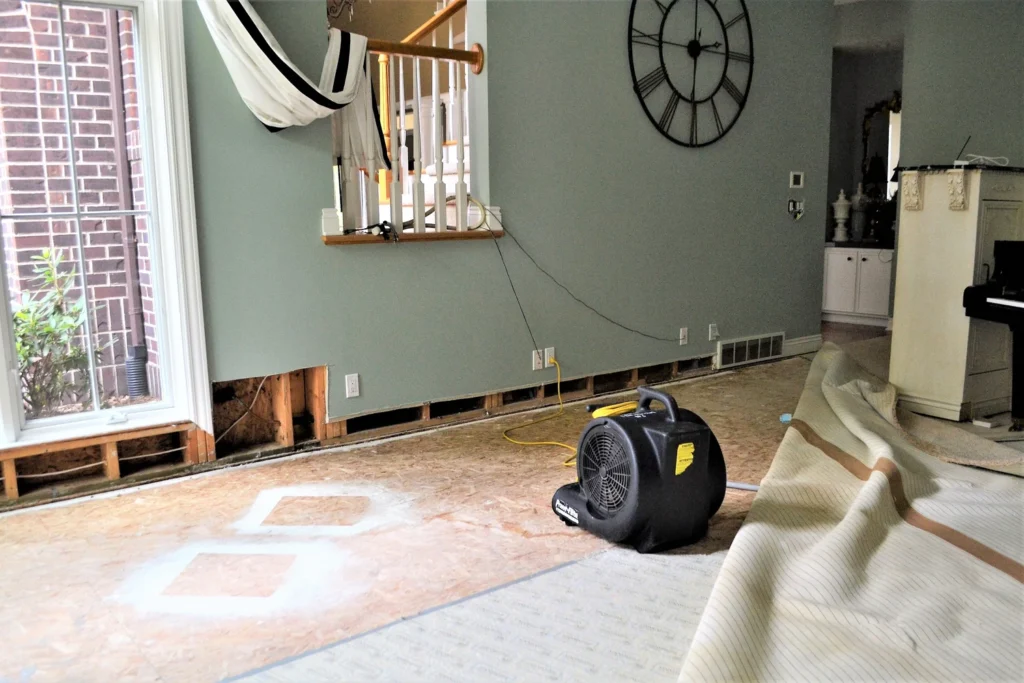
You walk into your rental and find a broken door, damaged flooring, holes in the walls, a ruined appliance, or water damage that was never reported.
The first reaction may be frustration. The more useful reaction is documentation.
When tenants damage a San Francisco rental property, landlords need to separate the immediate property problem from the financial and legal questions that follow. First determine what happened, prevent additional damage, document the condition, and obtain a realistic repair scope. Then decide how the cost, security deposit, tenancy, and future of the property should be handled.
Sometimes repairing the unit and continuing to rent it makes sense. Other times, tenant damage is the latest problem in a rental that already needs major work—and selling the property as-is deserves comparison.
Quick Answer
If a tenant damages your San Francisco rental, document the condition with dated photos and records, determine whether urgent repairs are needed, review the lease and move-in documentation, and obtain repair estimates.
California law allows residential security deposits to be used for reasonably necessary repair of tenant- or guest-caused damage beyond ordinary wear and tear, subject to statutory requirements. Do not assume every worn or damaged item can automatically be charged to the tenant. Review California Civil Code Section 1950.5.
If the property now needs substantial work, compare repairing and keeping it, repairing before listing, selling occupied, and selling as-is before committing more money.
This article is for general informational purposes only and is not legal, tax, insurance, property-management, or real estate advice. Requirements can vary based on the property, lease, tenancy, damage, and applicable California or San Francisco rules. Consult the appropriate licensed professional or local agency regarding your situation.
First Determine Whether It Is Damage or Normal Wear and Tear
Not every worn part of a rental is tenant-caused damage.
California Civil Code Section 1950.5 specifically excludes ordinary wear and tear from security-deposit deductions for property damage. It also limits damage claims to amounts reasonably necessary to return the premises toward their condition at the beginning of the tenancy, excluding ordinary wear.
The distinction can become difficult in an older San Francisco rental where finishes and building systems already had years of use.
For example, these situations may deserve different treatment:
- A carpet gradually worn along a normal walking path
- A carpet with a large burn or unusual permanent stain
- Paint that has faded over several years
- A wall with significant holes or impact damage
- An appliance that stopped working because of age
- An appliance physically damaged through misuse
- A plumbing fixture that failed on its own
- Water damage that became worse because a serious leak was not reported
Those are examples, not automatic legal classifications.
Your strongest evidence is usually a clear record of the property’s condition before, during, and after the tenancy.
Build a Damage File Before Making Accusations
Avoid starting with, “My tenant destroyed the property.”
Start with evidence.
Create a dated property file containing:
- Move-in inspection records
- Earlier photographs or videos
- Current photographs and videos
- Tenant repair requests
- Emails and text messages
- Lease and amendments
- Contractor estimates
- Inspection findings
- Repair invoices
- Insurance correspondence
- Permit records when relevant
- A timeline of when you first learned about the damage
Photograph wide views that show where the damage is located and closer images that show the condition itself.
If the problem involves water, electrical systems, plumbing, structural components, mold, fire damage, or another condition that may extend beyond what you can see, obtain appropriate professional input rather than relying only on photographs.
Good records are useful whether you ultimately repair the unit, dispute responsibility, make a lawful security-deposit deduction, file an insurance claim, or sell the property.
Your broader repair records also matter if you later sell. Bay Area Home Offers’ guide on how San Francisco landlords can manage repair costs recommends retaining photographs, estimates, contracts, invoices, permits, warranties, and completion records for exactly this reason.
Do Not Let an Argument About Responsibility Make the Damage Worse
Suppose a tenant damages a sink cabinet and water begins leaking into the floor below it.
Who ultimately pays is important.
Stopping the water is more urgent.
Damage affecting safety, essential services, water intrusion, sewage, electrical conditions, or other serious building issues can become more expensive when ignored. San Francisco’s Rent Board also provides procedures relating to unresolved repair and maintenance problems and explains that City inspectors may require correction when defective conditions constitute code violations. Read the San Francisco Rent Board’s repair guidance.
In practical terms, separate two questions:
What needs to be done to protect the property and occupants now?
and
Who may ultimately be responsible for the cost?
They do not always need to be answered on the same day.
Follow the Rules When Entering an Occupied Unit
Discovering possible damage does not give a landlord unlimited access to a tenant’s home.
California Civil Code Section 1954 allows landlord entry for specified reasons, including necessary or agreed repairs and showing the property to prospective purchasers. Except for circumstances such as emergencies or tenant consent, the law generally requires reasonable notice; 24 hours is presumed reasonable for many entries when the statutory conditions are met. It also prohibits abusing access rights or using them to harass a tenant.
San Francisco landlords can also review the Rent Board’s landlord access guidance.
If access is becoming disputed, do not improvise notices or repeatedly enter in ways that could intensify the conflict. Get appropriate legal guidance.
Can You Use the Security Deposit for Tenant Damage?
Potentially—but this is where careful documentation matters.
California Civil Code Section 1950.5 permits a residential security deposit to be applied to specified purposes, including reasonably necessary repair of damage caused by the tenant, a guest, or licensee other than ordinary wear and tear. The statute also contains rules about inspections, deductions, documentation, and returning the remaining deposit.
The San Francisco Rent Board maintains additional security-deposit information for local landlords and tenants.
Do not simply choose a number because an item looks bad.
Keep:
- Evidence of the earlier condition
- Evidence of the current damage
- Repair estimates and invoices
- Information showing the age and condition of affected materials
- Required deposit documentation
- Records of any amount withheld or returned
When the amount is significant or responsibility is disputed, consult a qualified California landlord-tenant attorney.
Get the Repair Scope Before You Decide What the Property Is Worth
One broken cabinet is a repair.
A damaged unit with flooring, plumbing, drywall, appliances, electrical work, and years of deferred maintenance is a capital decision.
Before approving a large project, determine:
- What must be repaired now?
- What is tenant-related?
- What is normal aging or deferred maintenance?
- What work is cosmetic?
- Are permits required?
- Are there hidden conditions?
- What would the property be worth repaired?
- What might it sell for in its current condition?
This prevents a common landlord mistake: treating every problem as a repair project without asking whether continued ownership still makes financial sense.
If you’re dealing with several systems at once, see the related guide on saving money on San Francisco landlord repairs without cutting corners.
Repair, Keep, List, or Sell As-Is?
Tenant damage does not automatically mean you should sell.
But it can change the calculation.
| Option | May Make Sense When | Main Consideration |
|---|---|---|
| Repair and keep renting | Damage is manageable and you still want the investment | Continued management and future maintenance |
| Repair before selling | Repairs are predictable and may materially improve marketability | Upfront cost, time, and contractor work |
| List the rental as-is | You want broad market exposure without renovating everything | Buyers may negotiate over condition |
| Sell occupied | A buyer is willing to accept the existing tenancy | Lease, rent, access, deposits, and property condition matter |
| Sell directly as-is | You want to transfer more repair and management work to the buyer | Offer may reflect repair and occupancy risk |
A repaired, well-presented property may attract more buyers and a higher gross price.
That does not automatically produce the highest net result.
Compare the likely sale price with repair costs, holding expenses, lost rent or vacancy, contractor management, transaction costs, and the time required to complete the work.
For landlords evaluating the bigger ownership decision, Bay Area Home Offers’ California rental-property selling guide covers occupied sales, repairs, security deposits, and as-is alternatives.
What If the Tenant Is Still Living There?
Physical damage and occupancy are separate problems.
A landlord may discover damage while the tenant remains in possession. That does not mean the sale must wait until the property is vacant.
San Francisco rentals can be sold with tenants in place, but the buyer will want accurate information about the lease, rent, security deposit, occupancy, property condition, notices, disputes, and access. Your newer guide to selling a rental with bad tenants in San Francisco explores those broader occupancy and sale issues in detail.
Keep this distinction clear:
This page: What should you do about physical tenant damage?
Bad-tenants guide: How do you sell when damage is part of a larger tenant, rent, access, or possession problem?
That makes each resource useful without repeating the same article under two URLs.
Tenant Damage in Practice: A San Francisco Landlord Example
Consider a landlord who owns a two-unit property in San Francisco.
After receiving a repair report, the owner enters the unit using the appropriate process and discovers damaged flooring around an appliance, several badly damaged interior doors, and wall damage that goes beyond what the owner remembers from the move-in condition.
The initial reaction is to obtain one large renovation bid.
Instead, the owner separates the problem.
First, a qualified professional determines whether the flooring damage involves an active leak or hidden moisture.
Next, the owner organizes the move-in photographs, current photographs, tenant communications, and estimates.
Then the work is divided into three categories:
Urgent work: Anything necessary to stop further damage or address safety.
Tenant-damage questions: Items that may be beyond ordinary wear and require documentation before determining responsibility.
Ownership decisions: Older finishes and deferred maintenance that the landlord would likely have needed to replace eventually.
The landlord can now compare repairing the unit and continuing to rent, repairing before listing, selling with the tenant in place, or selling the property as-is.
The damage did not make the decision for the owner.
It gave the owner a reason to finally run the numbers.
Mistakes to Avoid After Discovering Tenant Damage
Charging Everything to the Tenant
Age, prior condition, ordinary wear, deferred maintenance, and the cause of the damage all matter. Do not treat an entire renovation budget as tenant damage simply because the unit needs work.
Repairing Before Documenting
Once a damaged item is removed, proving its previous condition becomes harder. Photograph and record the condition first when it is safe to do so.
Delaying an Urgent Repair During a Dispute
Prevent additional damage and address serious property conditions. Work out financial responsibility separately.
Entering Whenever You Want
Follow California access requirements and obtain legal guidance when access becomes disputed.
Spending Heavily Before Comparing a Sale
If tenant damage is combined with an old roof, plumbing problems, electrical updates, foundation concerns, or landlord burnout, first compare the economics of another large renovation with selling.
FAQs About Tenant Damage to San Francisco Rentals
What should I do if a tenant damages my San Francisco rental property?
Document the condition, prevent further damage, review your move-in records and lease, and obtain appropriate repair estimates. Keep facts and photographs organized before deciding who may be responsible for the cost.
What is considered tenant damage versus normal wear and tear in California?
California law distinguishes tenant-caused damage from ordinary wear and tear, but the answer depends on the condition and circumstances. Strong move-in and move-out documentation helps establish what changed during the tenancy.
Can I use a security deposit for tenant-caused damage in California?
California law allows security to be used for reasonably necessary repairs of tenant- or guest-caused damage beyond ordinary wear and tear, subject to statutory requirements. Keep supporting documentation and follow the applicable deposit procedures.
Can a San Francisco landlord enter the unit to inspect damage?
Landlords may enter for legally permitted reasons such as necessary repairs, but California notice and access rules apply except in circumstances such as emergencies or tenant consent. Do not use access to harass the tenant.
Should I repair tenant damage before selling my San Francisco rental?
Not automatically. Compare the likely increase in sale value with repair costs, carrying expenses, time, tenant coordination, and the property’s other maintenance needs before spending heavily.
Can I sell a rental property with tenant damage?
Yes. A property can potentially be sold without completing every repair first, including to buyers willing to evaluate it in its current condition. If tenants remain, the lease, occupancy, access, deposits, and other tenant-related issues also need to be considered.
When the Damage Becomes an Ownership Decision
A damaged door or floor may simply need repair.
A damaged rental with aging systems, repeated tenant issues, deferred maintenance, and another large contractor bill deserves a bigger question:
Do you still want to own this property after the repairs are finished?
If the answer is yes, document the damage, complete necessary work properly, and protect the long-term condition of the rental.
If the answer is less certain, compare the numbers before beginning another major renovation.
Bay Area Home Offers serves property owners throughout San Francisco and the Bay Area and may review rental properties in as-is condition. If selling without completing extensive repairs appears worth considering, you can learn how the direct buying process works or request a cash offer to compare with repairing, keeping the rental, or listing through an agent.
The purpose of getting another option is not to force a sale.
It is to know what your alternatives actually look like before putting more money into the property.