

Owning an abandoned property — especially one in disrepair, vacant for years, or left unused — can quickly become a burden rather than an asset. If you own an abandoned house in Pleasant Hill, CA and are thinking of selling, you may face unique challenges: upkeep costs, safety issues, legal complications, and difficulty finding a buyer.
However, selling an abandoned property doesn’t have to be a headache. With the right approach, you can turn that burden into a fast cash sale — even “as-is,” without costly repairs or months of waiting. This guide walks you through everything you need to know: what defines an abandoned property, why you might want to sell, how to handle inspections, disclosures, pricing, potential problems, and how to get a sale done quickly.
Whether the property is inherited, vacant from foreclosure, non‑performing rental, or simply neglected — this article gives you a clear roadmap to exit efficiently and responsibly.
What Defines an Abandoned Property?
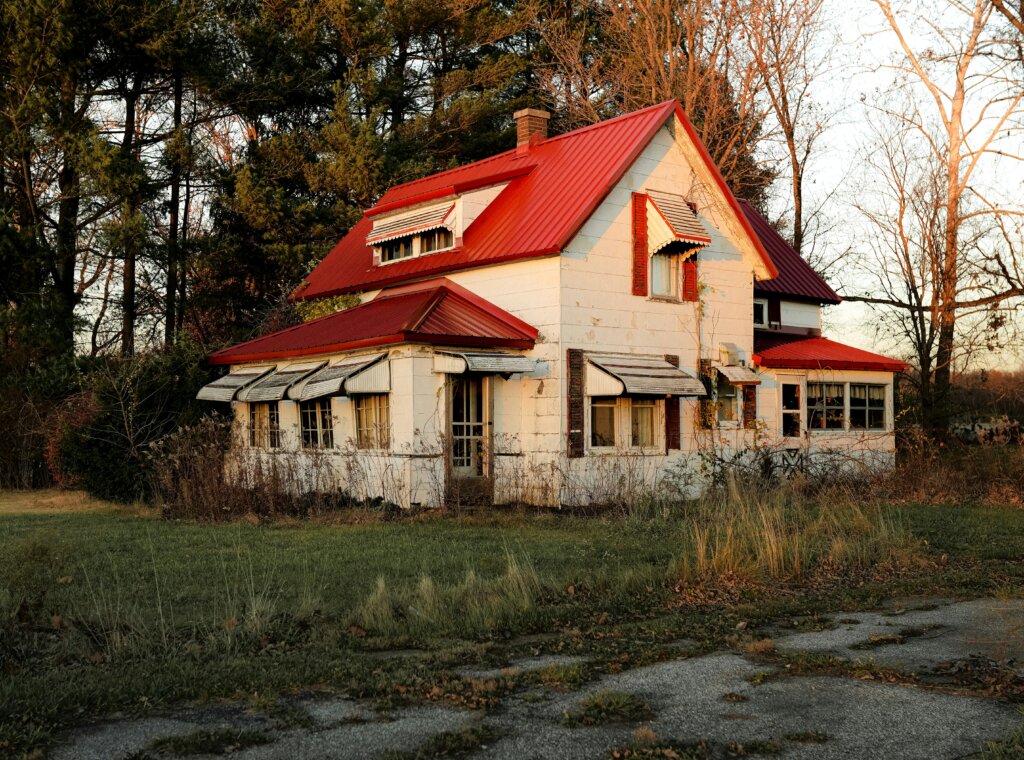
Before diving into the sale process, it’s important to understand what “abandoned” or “vacant/abandoned” typically means under California and local code enforcement standards.
Definition & Key Characteristics
An abandoned property (or vacant/abandoned house) commonly features one or more of the following:
- The house is physically unoccupied and uninhabited — no residents living there.
- There is no evidence of occupancy or regular use — perhaps utilities disconnected, long-term vacancy, no furniture, no mail, etc.
- Visible signs of neglect: broken windows, overgrown yard/vegetation, trash accumulation, lack of maintenance.
- Lack of active utilities, or long-term disuse of services.
- Indications that the owner likely does not intend to return or reoccupy the property — for example, unpaid property taxes, liens, or notices from code enforcement.
Why Abandoned Properties Are Risky / Costly
Owning an abandoned home in California — including Pleasant Hill — carries real risks and costs:
- Accelerated depreciation: Vacant homes often lose value faster than occupied ones.
- Extra costs: Even if unoccupied, homeowners may still be responsible for property taxes, insurance premiums, maintenance costs, security, code compliance, yard upkeep, utilities if not shut off properly, and more.
- Legal and municipal liability: If code violations accumulate (overgrown vegetation, broken windows, unsecured access), local authorities may issue fines, place liens on the property, or take other enforcement actions.
- Liability for accidents or vandalism: If someone trespasses and gets hurt, the owner may be exposed to liability.
- Potential loss in value and increased difficulty selling: The longer a house sits abandoned and deteriorates, the harder it becomes to find traditional buyers willing to invest or finance repairs.
Given these realities, many owners of abandoned properties choose to sell — often at a discount — in exchange for relief from ongoing burdens. Selling to a cash buyer (investor or investor-firm) becomes a popular and practical option.
Why Sell an Abandoned Property in Pleasant Hill?
Before considering the ‘how to’ — it helps to understand the ‘why.’ Below are common reasons property owners in Pleasant Hill opt to sell abandoned houses.
Recurring Financial Drain & Costs
- Even without a tenant or occupant, you may still be liable for property taxes, insurance premiums, maintenance costs, security, and code compliance. Over time, these accumulate.
- Vacant properties tend to deteriorate faster — which could lead to higher eventual repair costs or further depreciation.
For many homeowners facing these ongoing costs, working with a trusted as-is cash buyer — such as Lehan Homes LLC — can provide a faster, stress-free solution without needing repairs, inspections, or long waiting periods.
Selling quickly ends the financial drain and stops potential losses.
Avoiding Legal Issues & Liability Risks
- In California, neglected or abandoned properties may draw attention from local code enforcement. Owners risk fines, liens, and possible seizure if the property becomes a public nuisance. Learn more about abandoned property laws in California and the rights of property owners by visiting this guide on California’s Abandoned Property Laws.
- If someone trespasses or is injured on the property, the owner could be held liable, especially if the property is unsecured or unsafe.
Selling transfers liability and reduces legal exposure.
Market Conditions in Pleasant Hill Favor Quick Sales
- The real estate market in Pleasant Hill, CA remains relatively active: recent data shows the median home sale price around US $940,000 and houses selling in roughly 21 to 22 days on average.
- For distressed or abandoned properties, there is demand — especially from investors looking for fixer-uppers, renovation potential, or rental/investment opportunities.
This demand means you may be able to get a fair cash offer without enduring a lengthy listing process.
Simplicity & Speed — Especially for Inherited, Probate, or Out‑of‑State Owners
- Many abandoned properties are inherited, part of an estate, or owned by people who don’t reside in Pleasant Hill. Selling eliminates the hassle of managing a neglected property from afar.
- Selling “as-is” to a cash buyer often means no repairs, no hassle, no staging, and no months‑long sale process.
For sellers eager to move on, cash offers offer swift, predictable outcomes.
Step-by-Step: How to Sell an Abandoned Property in Pleasant Hill, CA
Below is a stepwise approach — from assessing your property to closing the sale. Follow these steps to maximize transparency, avoid legal issues, and get the most efficient outcome.
Step 1: Evaluate & Document the Property Condition
Before you reach out to buyers or agents, start by understanding exactly what you own — and what its condition is.
What to check / document:
- Walk-through inspection (interior + exterior): note defects — structural damage, roof leaks, broken windows/doors, plumbing/electrical issues, mold, overgrown yard, debris, damage, vandalism, etc.
- Take photos and videos of all rooms — especially damaged parts. This serves as a record to show buyers and also helps protect you.
- Check utilities status: is electricity/water/gas still active? If not, make note. (Many cash buyers will still accept a house without active utilities.)
- Review tax records, liens, unpaid bills or code violations — including property tax, municipal fines, liens from contractors, unpaid utilities, etc.
This evaluation helps you understand possible sale value, risks to disclose, and whether to attempt minor fixes or go “as-is.”
Step 2: Confirm Legal Ownership & Clear Title
Selling property — even abandoned — requires clear title. That means ensuring there are no unresolved claims, liens, or title defects.
- Perform a title search: this uncovers mortgages, liens, back taxes, judgments, easements — anything that prevents a clean sale.
- Verify that ownership is properly vested (especially important if property is inherited, transferred, or has multiple heirs).
- Ensure there are no outstanding code enforcement orders, unpaid fines, or municipal claims.
If there are liens (e.g., tax liens, contractor liens), they must typically be addressed before or during sale — otherwise they may complicate or derail the transaction.
Step 3: Decide on Sale Strategy — “As-Is / Cash Sale” vs “Traditional Listing”
Once you know the property condition and legal status, decide how to sell. In Pleasant Hill (and California generally), you have a few main options.
| Option | Description | Pros | Cons |
|---|---|---|---|
| Selling “As‑Is” to a Cash Buyer / Investor | Sell the property in its current condition, no repairs, no staging, to investor or cash buyer. | Fast sale (often days‑to‑weeks), no repair costs, no commissions, minimal hassle. | Offer typically below market value; fewer buyers; must disclose known defects. |
| Traditional Listing (Agent + MLS) | List property for sale, attempt to show it to regular buyers, possibly do some repairs / cleaning / staging. | Potential to get higher sale price, access to broader buyer pool. | Repairs & cleanup cost time and money, longer sale timeline, carrying costs continue. |
| Auction or Short Sale / Investor Auction | Sell property at auction or pre-scheduled sale, sometimes with lower reserve price. | Potential for quick sale, less effort on part of seller. | Unpredictable outcome, potentially low sale price, may still need clear title/liens. |
For many abandoned properties — especially those in disrepair or needing major work — selling “as-is” to a cash buyer becomes the most practical, cost-effective option.
Selling “as-is” means that you’ll sell the property in its current condition, with no repairs or upgrades. If you’re selling in this way, you may get a lower price, but the trade-off is a faster, more convenient sale. If you want more information about selling a house “as-is,” check out Bankrate’s guide to selling homes in California for insights on the pros and cons.
Step 4: Comply with California Disclosure Laws (Even for “As-Is” Sales)
Many homeowners assume selling “as-is” means they don’t need to disclose defects — but that’s not the case in California. The law places certain mandatory disclosure requirements on sellers.
Key Disclosure Requirements:
- Transfer Disclosure Statement (TDS) — This document is required whenever you sell residential real property and must truthfully list any known defects that could materially affect the property’s value or desirability (foundation issues, water damage, structural defects, flood or earthquake zone status, history of death on the property, etc.).
- Disclosure of known code violations or municipal orders (if any) — e.g., notices for unsafe structures, overgrown vegetation, broken utilities, building code non-conformance, fines, etc.
- Full transparency about property condition — especially if selling to someone not intending to renovate (investor, cash buyer). “As-is” language may limit seller liability for obvious defects, but it does not shield from undisclosed problems or honest misrepresentation.
Learn more about California’s disclosure obligations for home sellers in the Nolo guide.
Failing to comply with disclosure laws can result in legal consequences, rescission, or liability even after sale — so it’s critical to be transparent and honest.
Step 5: Price the Property Realistically & Request Multiple Offers
Because abandoned properties (especially needing repairs) often sell below market value, pricing strategy is key. Here’s how to approach it:
- Use a comparative market analysis (CMA) based on recent sales in Pleasant Hill to estimate a “fair market value if in good condition.” For example: recent data shows median Pleasant Hill home sale price around US $940,000.
- Adjust that value downwards based on condition: structural problems, needed repairs, vacancy, unpaid taxes/liens, code violations, etc. Reasonable cash buyers or investors often offer 60–80% of market value, depending on the severity of issues.
- Get multiple offers — ideally 3–5 from different cash buyers or investors. Compare not only price but terms: closing timeline, who pays closing costs, whether buyer covers unpaid liens, whether buyer accepts “as-is” condition, and what contingencies (if any) are allowed.
Step 6: Handle Repair, Security & Code‑Compliance (If Needed or Desired)
Even if you plan to sell “as-is,” there are situations where it may be worth doing minimal work — or at least securing the property — before listing, to improve safety, prevent vandalism/vandal damage, and make your sale more attractive. Some possible actions:
- Change locks, secure doors/windows.
- Remove debris, trash, abandoned personal property or hazardous items. This both improves presentation and avoids potential liability.
- If the absence of utilities or structural hazards pose safety risks, consider basic repairs or compliance work — though weigh cost vs expected sale benefit carefully.
- Document all actions and repairs made (photos, receipts) — helpful in disclosures and due diligence.
These steps may not be strictly required if selling to an investor willing to accept the property “as-is,” but improving presentation or eliminating obvious safety hazards can help you attract a better offer.
Step 7: Legal Paperwork & Sale Closing
Once you choose a buyer and agree on terms, the final stage involves paperwork, disclosures, title transfer, and closing. Key aspects:
- Provide the required Disclosure forms (TDS, any local/state mandated disclosures).
- Ensure clear title — no unresolved liens, taxes, or judgments that could delay or block closing.
- Execute a proper purchase and sale agreement reflecting “as-is” condition (if applicable), with buyer acknowledging acceptance of current condition.
- Complete the sale via escrow or otherwise — cash buyers often offer faster closings, sometimes within 7–30 days, depending on conditions.
- Confirm that all municipal fines, property taxes, liens, and code‑violation fees (if required) are addressed in closing — ideally paid off or resolved to avoid liability or delays.
Pros and Cons of Selling an Abandoned Property in Pleasant Hill
Here’s a balanced look at the advantages and drawbacks of selling an abandoned property, especially via an “as-is” / cash sale.
| Pros | Cons / Trade-Offs |
|---|---|
| Fast sale and cash in hand — cash‑buyer sales often close in days to a few weeks, avoiding months of uncertainty. | Lower sale price — expect below–market value compared to fully renovated or well‑maintained properties. |
| No need for expensive repairs or upgrades — save on the costs of renovation, staging, permit fees, maintenance. | Limited buyer pool — many traditional buyers won’t accept as‑is or invest in a fixer‑upper. |
| Avoid ongoing carrying costs — taxes, insurance, security, utilities, maintenance, fines, liability risk end once property is sold. | Disclosure obligations and liability — even in an as‑is sale, you must disclose known defects; failure may result in legal issues. |
| Simpler process, minimal stress — skip multiple showings, cleanings, staging; fewer contingencies if selling to investor/cash buyer. | Potential market perception — “as‑is”/abandoned properties may get lowball offers; public records may reflect poorly on area or property history. |
| Good option for inherited, out-of-state, or distressed owners — especially those wanting speedy resolution. | Need to resolve liens/types of debts — unpaid taxes, liens may reduce net proceeds or complicate sale. |
Common Challenges & How to Overcome Them
Selling an abandoned property in Pleasant Hill isn’t always straightforward. Here are common pitfalls — and ways to handle them.
Legal & Title Issues — Liens, Code Violations, Unpaid Taxes
Challenge: Outstanding liens, unpaid property taxes, municipal fines, or code‑enforcement violations may complicate sale or reduce value.
What to do:
- Perform a full title search to uncover any encumbrances.
- If possible, resolve outstanding liens or debts before sale (e.g., pay back taxes or contractor liens) — this prevents the buyer from backing out or demanding price reductions.
- At minimum, disclose all known issues upfront in writing in the required forms so buyer is aware.
“As-Is” Doesn’t Mean “No Disclosure Required”
Challenge: Some owners assume “as-is” means “no responsibility to disclose defects.” That’s incorrect under California law.
What to do:
- Fill out required Seller Disclosure forms truthfully (TDS, SPDS, etc.), listing all known defects or issues — roof problems, foundation issues, water damage, code violations, history of death, environmental hazards, etc.
- Be transparent. If you conceal known defects, you may face legal liability even after sale.
Property Condition & Buyer Reluctance
Challenge: Abandoned properties often look uninviting — broken windows, overgrown weeds, damage, non-functional utilities — which can scare off traditional buyers.
What to do:
- If budget allows, consider minimal repairs or cleanup: secure locks, clear debris, mow or clean yard, board up windows, remove trash. Even basic cleanup may make the property more attractive to investors.
- Provide full documentation, photos/videos of property condition. Transparency helps reassure buyers and speeds up due diligence.
- Focus on cash buyers or investors rather than typical homeowners — they are more used to “fixer-uppers,” renovation projects, and properties sold as-is.
Hard to Estimate Value & Get Fair Offer
Challenge: Without recent proper sales or comparable properties in similar condition, estimating value is tricky — you may get low offers or unrealistic valuations.
What to do:
- Conduct thorough comparative market analysis (CMA) based on recent sales in Pleasant Hill. The overall median sale price — for regular properties — is around US $940,000.
- Adjust price based on severity of defects, repair costs, liens/violations, and urgency of sale.
- Get multiple offers (3–5) from different cash buyers/investors to compare not just price but also terms (closing speed, who pays what, contingencies, acceptance of “as-is” condition).
- Be willing to negotiate — often buyers expect a discount for risk, but clarity and good documentation may help you achieve a fairer price and avoid last‑minute reductions.
How Long Does a Sale Typically Take in Pleasant Hill (Abandoned Property Case)
The sale timeline depends heavily on your chosen strategy. Here’s a rough comparison:
| Sale Strategy | Typical Time to Sale |
|---|---|
| Traditional listing (agent + MLS, repairs/staging) | 3–6 months or more — depending on repair scope, market, buyer financing, inspections, appraisals |
| Selling “As‑Is” to Cash Buyer / Investor | 7–30 days (often 2–3 weeks) — no staging or repairs needed, minimal contingencies, fast escrow possible |
| Auction / Short Sale / Other | 1–2 months (but outcome less certain; sale price may be lower) |
Because the overall housing market in Pleasant Hill remains active — median sale prices near $940K and average days on market around 21‑22 days for regular listings — there’s a reasonable chance of a relatively quick sale if property condition and paperwork are managed properly.
That said, abandoned properties typically attract fewer conventional buyers — which makes quick cash sale to investors the most realistic route if you need speed and certainty.
Frequently Asked Questions (FAQs)
Q: Can I sell an abandoned house even if I have unpaid property taxes or liens?
A: Possibly — but unpaid taxes or liens complicate the sale. You must disclose these issues upfront. Many cash buyers may still proceed but will discount their offer to account for the risks. Resolving taxes/liens beforehand often results in a smoother sale.
Q: Does “as-is” mean I don’t have to disclose defects in California?
A: No. In California, the seller’s obligation to disclose known defects still applies even in “as-is” sales. “As-is” means buyer accepts the condition, but you must complete required disclosure forms (like TDS) listing known issues.
Q: What if there are squatters or unauthorized occupants?
A: Having squatters complicates the process. Before you can legally sell, you typically need to regain legal control — which may involve eviction or legal action. Otherwise the buyer may refuse to purchase, or require large discounts.
Q: What kind of price discount should I expect when selling to a cash buyer “as-is”?
A: It depends on condition, repairs needed, liens/violations, demand, and urgency. As a rough guideline: many cash buyers offer 60–80% of market value depending on risk and repair costs.
Q: Is selling an abandoned house always a bad option?
A: Not necessarily. If you value speed, convenience, and getting out from under financial/legal burdens — selling as-is to a cash buyer can be a practical, efficient solution. But you must do due diligence, be transparent about defects, and set realistic expectations on price and buyer pool.
Final Thoughts: Making the Smart, Informed Decision
Owning an abandoned property in Pleasant Hill, CA doesn’t have to be a never-ending liability. With thoughtful preparation, realistic expectations, and awareness of legal requirements, you can transform that burden into a quick — and relatively painless — cash sale.
Key takeaways:
- Document the property thoroughly — inspections, photos/videos, records, liens, taxes.
- Clear title and legal ownership are non-negotiable. Do a proper title search.
- Even in “as‑is” sales, full disclosure of known defects is required by California law.
- Use realistic pricing, and get multiple offers to compare not just sale price but terms.
- Cash buyers/investors often provide the most straightforward route — fast closing, no repairs, no staging, and minimal contingencies.
- Be ready for a discounted sale price in exchange for speed, convenience, and removal of ongoing burden.
If you take a methodical, transparent, and informed approach — and choose a buyer who understands the nature of abandoned property — you can close quickly, avoid legal headaches or prolonged maintenance costs, and move on with peace of mind.
If you’re ready to sell your abandoned property in Pleasant Hill, Bay Area Home Offers is here to help. We offer fair cash offers with no repairs needed, no fees, and a hassle-free closing process. Contact Bay Area Home Offers today for a free consultation and to receive your cash offer — we’re here to help you move forward!