

Facing foreclosure in San Francisco can feel stressful, urgent, and confusing. When mortgage payments are behind and lender notices start arriving, many homeowners wonder whether they still have time to sell the property before foreclosure is completed. The good news is that selling may still be possible if you act before the trustee sale or foreclosure auction takes place.
If you want to sell your house fast to avoid foreclosure in San Francisco, CA, timing is the most important factor. A sale needs to close before the foreclosure sale is completed. If the mortgage is paid off through the sale before that deadline, you may be able to avoid a completed foreclosure, protect remaining equity, reduce further fees, and move forward with more control.
This guide explains how the foreclosure process works, when selling may make sense, what options San Francisco homeowners can consider, and how to move quickly if the foreclosure timeline is already active.
Quick Answer: Can You Sell Your House Before Foreclosure in San Francisco?
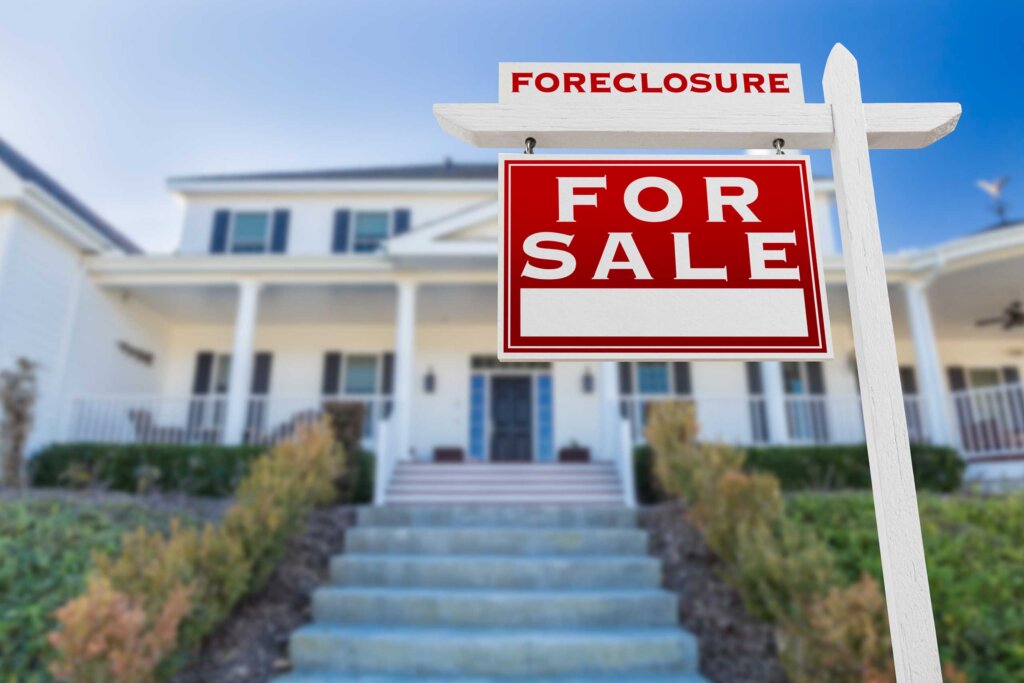
Yes, you can usually sell your house before foreclosure in San Francisco if the sale closes before the trustee sale. Selling before foreclosure may help you pay off the mortgage, avoid a completed foreclosure, and prevent the property from being sold at auction.
However, the earlier you act, the better. If you are only behind on payments, you may have more options. If you have received a Notice of Default, the process has become more serious. If you have received a Notice of Trustee Sale, the situation is urgent because the auction date may already be scheduled.
For homeowners asking whether a sale can actually stop the process, read Can Selling My House Stop Foreclosure in San Francisco, CA? for a deeper explanation of how timing, payoff, and closing deadlines affect foreclosure.
| Question | Short Answer |
|---|---|
| Can I sell after missing mortgage payments? | Yes, if the mortgage can be paid off before foreclosure is completed. |
| Can I sell after a Notice of Default? | Often yes, but you should act quickly. |
| Can I sell after a Notice of Trustee Sale? | Possibly, but the sale must close before the trustee sale date. |
| Can I sell the house as-is? | Yes, many homeowners sell as-is before foreclosure. |
| Can a cash sale help? | It may help if speed, certainty, and an as-is closing are important. |
How Foreclosure Works in California
Most California residential foreclosures are handled through the nonjudicial foreclosure process in California. This means the lender may not have to file a full court lawsuit to foreclose, but they must still follow required legal steps before the home can be sold at auction.
The process usually begins after missed mortgage payments. Before the formal foreclosure process moves forward, the lender or mortgage servicer may contact the borrower to discuss possible alternatives. If the missed payments are not resolved, the lender may record a Notice of Default.
A Notice of Default is a serious document. It means the formal foreclosure process has started. After that, there is usually a waiting period before the lender can record a Notice of Trustee Sale. The Notice of Trustee Sale is the document that gives notice of the scheduled auction date.
Once the trustee sale happens, the homeowner may lose ownership and control of the property. That is why selling before the trustee sale is so important if you want to avoid a completed foreclosure. If your timeline is already tight, read How Fast Can You Sell a House in Foreclosure for Cash in San Francisco, CA? to understand what can affect closing speed before the auction date.
| Foreclosure Stage | What It Means | Why It Matters |
|---|---|---|
| Missed payments | The mortgage is behind | Best time to contact the lender and review options |
| Notice of Default | Formal foreclosure process begins | You may still have time to sell or resolve the debt |
| Waiting period | Time before sale notice can move forward | Important window to compare your options |
| Notice of Trustee Sale | Auction date may be scheduled | Closing speed becomes urgent |
| Trustee sale | Property may be sold at auction | Ownership may be lost |
Why Selling Fast May Help You Avoid Foreclosure
Selling your house before foreclosure may help if the home has enough value to pay off the mortgage, late fees, foreclosure-related fees, and closing costs. Instead of allowing the home to go to auction, a sale can give you a more controlled exit.
This can be especially important in San Francisco, where home values can be high but so can monthly payments, property expenses, insurance, repairs, and the cost of holding a property. If you have equity in the home, waiting too long may put that equity at risk.
Selling fast may make sense if you cannot catch up on the missed payments, your long-term income has changed, the home needs major repairs, or the auction date is approaching. It may also make sense if you inherited the property, are dealing with divorce, have problem tenants, or simply cannot afford to keep the home anymore.
If your main concern is finding the quickest realistic path to close before the auction date, read Fastest Way to Close on a House Before Foreclosure in San Francisco, CA for a more focused breakdown of fast-sale options.
Should You Sell or Try to Keep the House?
Selling is not the only way to avoid foreclosure. Some homeowners may be able to keep the property through a loan modification, repayment plan, reinstatement, refinance, or forbearance. These options depend on the lender, the loan type, the amount owed, your income, and whether you can afford future payments.
Trying to keep the house may make sense if the hardship is temporary. For example, if you recently returned to work, recovered from a medical issue, or now have stable income again, your lender may offer an option that helps you catch up or modify the loan.
Selling may make more sense if the payment is no longer realistic, the home needs expensive repairs, or you do not want to risk a foreclosure auction. If the property has strong equity, a sale may help you preserve more value than waiting until the process becomes harder to control.
| Option | Best For | Main Concern |
|---|---|---|
| Loan modification | Homeowners who want to stay | Approval is not guaranteed |
| Repayment plan | Temporary missed payments | Requires future payment ability |
| Forbearance | Short-term hardship | Missed payments still need to be resolved |
| Traditional listing | Homes with time and market appeal | Repairs, showings, and financing can delay closing |
| Cash sale | Urgent, as-is, or distressed situations | Offer may be lower than full retail value |
| Short sale | Homeowners who owe more than the home is worth | Lender approval is required |
How to Sell Your House Fast Before Foreclosure in San Francisco
If you decide that selling may be the right option, the process should be organized. Foreclosure situations are time-sensitive, so every step should help you understand your deadline, your payoff amount, and your realistic selling options.
1. Confirm Your Foreclosure Status
Start by finding out where you are in the foreclosure process. Check all letters from your lender, mortgage servicer, trustee, or attorney. Look for a Notice of Default, Notice of Trustee Sale, auction date, trustee contact information, and payoff details.
You should know whether you are only behind on payments or whether a trustee sale has already been scheduled. This makes a big difference in how quickly you need to act.
2. Contact Your Mortgage Servicer
Ask your mortgage servicer for the current payoff amount, reinstatement amount, late fees, foreclosure fees, and any scheduled sale date. You should also ask whether loan modification, repayment, forbearance, or other loss mitigation options are still available.
Try to get important information in writing. If you plan to sell, you need to understand the exact amount required to pay off the loan before closing.
3. Estimate Your Home Equity
A simple way to estimate possible equity is:
Estimated home value minus mortgage payoff minus selling costs equals possible equity.
If your home is worth more than what you owe, selling before foreclosure may help protect your remaining equity. If you owe more than the home is worth, you may need to explore a short sale or another lender-approved solution.
4. Compare Selling Options
A traditional listing may bring a higher sale price, but it can take longer. You may need cleaning, repairs, showings, inspections, appraisal approval, and buyer financing. If the foreclosure auction is not close, this may be worth considering.
A direct cash sale may move faster because it may reduce financing delays, appraisal problems, repair requirements, and open houses. This can be useful if the property is damaged, outdated, tenant-occupied, inherited, or difficult to show.
To better understand this route, read How Cash Home Buyers Help San Francisco Homeowners Avoid Foreclosure, which explains how direct buyers may help in urgent foreclosure situations.
5. Choose the Fastest Realistic Closing Path
When foreclosure is involved, the highest offer is not always the safest offer. The offer must be able to close before the trustee sale. A buyer who needs long financing approval, repair negotiations, or appraisal conditions may create more risk if time is short.
Ask any buyer for proof of funds, a clear closing timeline, and written terms. Make sure the closing date works with your foreclosure deadline.
6. Close Before the Trustee Sale
To avoid a completed foreclosure through selling, the transaction must close before the foreclosure sale is completed. This is why speed, communication, and certainty matter.
Can You Sell a House As-Is Before Foreclosure?
Yes, many homeowners sell as-is before foreclosure. An as-is sale means the seller does not plan to make repairs before closing. The buyer reviews the property condition and makes an offer based on the home’s current state.
This can be helpful in San Francisco because many homes are older and repairs can be expensive. Some properties may have roof problems, foundation issues, plumbing concerns, outdated electrical systems, water damage, code violations, or years of deferred maintenance.
Selling as-is may help you avoid repair delays, cleaning costs, open houses, repeated inspections, and upfront expenses. This can be especially useful if you are already behind on payments and do not have extra cash to prepare the home for the market.
For a more specific guide, read How to Sell Your House As-Is in San Francisco, CA to Prevent Foreclosure.
Can You Sell for Cash Before Foreclosure?
Selling for cash may be an option if you need speed and certainty. A cash buyer does not rely on traditional mortgage approval, which may reduce delays. This can matter when the foreclosure auction is approaching and the sale needs to close quickly.
A cash sale may also help if the property needs repairs, has tenants, has title issues that can be resolved, or cannot easily qualify for traditional buyer financing. However, a cash offer may be lower than a full retail listing price because the buyer may be taking on repair costs, risk, and a faster closing timeline.
If you are asking this exact question, read Can I Sell My House Fast for Cash to Avoid Foreclosure in San Francisco, CA? for a detailed answer.
How Long Does It Take to Sell Before Foreclosure?
The time needed to sell before foreclosure depends on your foreclosure stage, property condition, title status, mortgage payoff, buyer type, and closing process.
If you are only behind on payments, you may have more time to compare options. If you already received a Notice of Default, you should move quickly. If a Notice of Trustee Sale has been recorded, the timeline becomes much more urgent.
A traditional listing may take longer because the process can involve repairs, cleaning, staging, showings, buyer financing, inspections, appraisal, and negotiations. A cash sale may close faster, but only if the buyer has verified funds, the title can be cleared, and the closing team can meet the deadline.
For a full timeline guide, read How Long Does It Take to Sell a House Before Foreclosure in San Francisco, CA?
What If You Owe Back Taxes or Other Debts?
Some homeowners facing foreclosure also owe property taxes, IRS debt, HOA dues, utility liens, or other obligations connected to the property. These issues can affect the closing process because certain liens may need to be paid, negotiated, or cleared before the sale can close.
The San Francisco Treasurer & Tax Collector delinquent property tax guide explains that unpaid property taxes can become delinquent and may include penalties or fees. This is important because tax issues can affect how much must be paid at closing.
If there is a federal tax lien on the property, the IRS explains that the lien generally must be satisfied before the home can be sold or refinanced. The IRS federal tax lien home sale guide also notes that liens may sometimes be paid from sale proceeds at closing.
Back taxes do not always mean you cannot sell, but they can affect the payoff amount and the final amount you receive after closing. The key is to identify these issues early. A title search can help reveal liens, unpaid taxes, judgments, or other claims against the property.
If unpaid property taxes are part of your situation, read Can You Sell a House With Back Taxes in San Francisco, CA? before choosing a selling option.
What If You Owe More Than the House Is Worth?
If the mortgage payoff is higher than the likely sale price, a regular sale may not fully pay off the loan. In that case, a short sale may be an option.
The CFPB short sale explanation describes a short sale as a sale where the home is sold for less than what is owed on the mortgage. This usually requires lender approval.
Short sales can help some homeowners avoid foreclosure, but they often take longer than a standard sale. If the auction date is close, you should contact the lender immediately to ask whether a short sale review or sale postponement is possible.
Another option may be a deed-in-lieu of foreclosure. This is when the homeowner voluntarily transfers the property to the lender. This also requires lender approval and may have financial or legal consequences.
Common Mistakes to Avoid When Facing Foreclosure
One of the biggest mistakes is waiting too long. Many homeowners feel overwhelmed and avoid opening mail or answering lender calls. Unfortunately, foreclosure timelines keep moving even when the situation feels stressful.
Another mistake is not knowing the auction date. If a trustee sale has been scheduled, every day matters. You should know the exact date, the trustee contact information, and the amount required to resolve the debt.
Do not spend money on repairs unless you are confident the repairs will help you sell faster and recover the cost. In a foreclosure situation, unnecessary repairs can drain cash that may be needed for moving, legal help, or other urgent expenses.
You should also be careful with foreclosure rescue scams. Be cautious of anyone who pressures you to sign quickly, tells you not to contact your lender, asks you to transfer title without clear terms, or guarantees that they can stop foreclosure without reviewing your situation.
Where San Francisco Homeowners Can Get Help
If you are facing foreclosure, you may want to contact your mortgage servicer, a HUD-approved housing counselor, a real estate professional, an attorney, or a tax professional. The right person depends on your situation.
A housing counselor may help you understand lender options, organize documents, review hardship options, and avoid scams. An attorney may be helpful if there are legal disputes, title problems, bankruptcy questions, divorce issues, probate issues, or tenant complications. A tax professional may be helpful if the sale involves forgiven debt, capital gains, or unpaid taxes.
Frequently Asked Questions (FAQs)
Can I sell my house fast to avoid foreclosure in San Francisco, CA?
Answer: Yes, you may be able to sell your house fast to avoid foreclosure in San Francisco if the sale closes before the trustee sale is completed. Acting early gives you more time to compare options, confirm your mortgage payoff, and choose the best selling path.
Can selling my house stop foreclosure in San Francisco, CA?
Answer: Selling your house may stop foreclosure if the mortgage debt, fees, and required payoff amounts are paid before the foreclosure sale. The closing date is important because the sale must be completed before the trustee sale or auction.
How fast can you sell a house in foreclosure for cash in San Francisco, CA?
Answer: A cash sale may close faster than a traditional listing because it can avoid buyer financing, appraisal delays, and repair negotiations. The exact timeline depends on title status, payoff amount, property condition, and how soon the foreclosure sale is scheduled.
Can I sell my house as-is before foreclosure in San Francisco?
Answer: Yes, many homeowners sell as-is before foreclosure, especially when the property needs repairs or there is not enough time to list traditionally. Selling as-is may help avoid repair costs, cleaning delays, showings, and inspection-related issues.
What is the fastest way to close on a house before foreclosure in San Francisco?
Answer: The fastest way is usually to confirm your foreclosure deadline, request your mortgage payoff, clear title issues early, and choose a buyer who can close quickly. A cash buyer may be useful when the home must sell before a scheduled trustee sale.
How long does it take to sell a house before foreclosure in San Francisco, CA?
Answer: The timeline depends on your foreclosure stage, property condition, buyer type, and closing requirements. If a Notice of Trustee Sale has already been issued, you should act immediately because the available time may be very limited.
Final Takeaway
Selling your house fast to avoid foreclosure in San Francisco, CA may still be possible if you act before the trustee sale is completed. The earlier you respond, the more options you usually have and the better chance you may have to protect your remaining equity.
Start by confirming your foreclosure status, contacting your mortgage servicer, checking your payoff amount, estimating your equity, and comparing your available options. If keeping the home is realistic, you may want to ask about loan modification, repayment, or forbearance. If keeping the home is no longer realistic, selling before foreclosure may help you avoid a completed foreclosure and move forward with more control.
For a broader overview of the full fast-sale process, read Sell Your House Fast in San Francisco, CA – A Step-by-Step Guide before choosing the best path.
If you need a faster, as-is selling option, Bay Area Home Offers can help you review a cash sale solution for your San Francisco property.