

Selling a fixer-upper in California can feel overwhelming, especially when the home needs repairs you do not want to pay for. Maybe the roof is aging, the plumbing is outdated, the electrical system is old, or an inherited house has been sitting vacant for years. In high-cost markets like San Francisco, Oakland, San Jose, Concord, Antioch, Hayward, Fremont, Daly City, Richmond, and nearby Bay Area cities, even basic repairs can become expensive quickly.
The good news is that you do not always have to repair the house before selling. Many California homeowners sell fixer-upper properties as-is when they want to avoid renovation costs, inspections, agent commissions, repeated showings, and months of uncertainty.
Bay Area Home Offers helps homeowners sell houses in any condition. Whether your property needs cosmetic updates, major repairs, cleanup, or a full renovation, you can request a fair cash offer and choose a closing timeline that works for your situation.
Quick Answer: Can You Sell a Fixer-Upper As-Is in California?
Yes, you can sell a fixer-upper house as-is in California. Selling as-is means you are offering the property in its current condition without making repairs before closing. However, selling as-is does not mean you can hide known issues. California sellers generally still need to disclose known property problems, material defects, natural hazard information when applicable, and other facts that may affect a buyer’s decision.
For many homeowners, the smartest first step is comparing three options:
| Selling Option | Best For | Main Benefit | Possible Drawback |
|---|---|---|---|
| Repair before listing | Homes needing mostly cosmetic updates | May attract more retail buyers | Repairs can be expensive and slow |
| List as-is with an agent | Sellers with time to wait | More market exposure | Inspections, credits, and financing can delay the sale |
| Sell as-is to a cash buyer | Homes needing major repairs or fast closing | No repairs, no showings, faster process | Offer may be lower than a fully repaired retail sale |
If your main goal is speed, certainty, and avoiding repairs, selling directly to a cash buyer may be the better option.
Is It Worth Repairing a Fixer-Upper Before Selling?
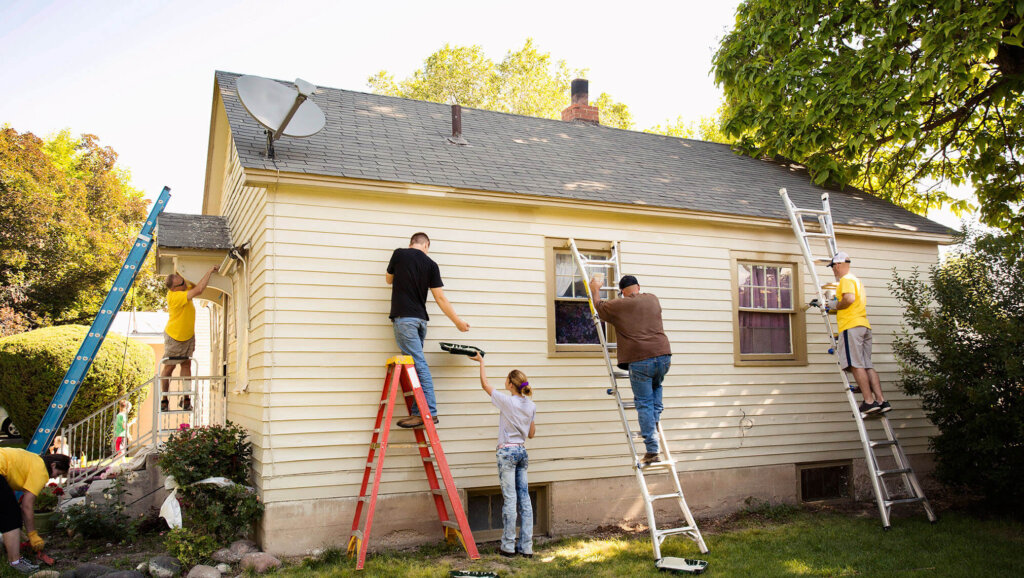
Repairing before selling can make sense if the home only needs small improvements and you have the money, time, and energy to manage the work. Fresh paint, basic landscaping, minor flooring updates, or simple cleanup may help the home show better.
But major repairs are different. Foundation work, roof replacement, plumbing problems, electrical upgrades, termite damage, mold remediation, fire damage, or water damage can quickly become expensive. If you are unsure whether repairs are worth it, this guide on whether you need repairs to sell a house in Concord, CA can help you think through the repair-versus-sell-as-is decision in a local Bay Area context.
Before spending money, ask yourself:
- Will this repair increase the sale price more than it costs?
- Can I afford the repair without creating financial pressure?
- Will the repair delay my sale by weeks or months?
- Could buyers still ask for credits after inspection?
- Am I prepared to manage contractors, permits, and delays?
A higher sale price does not always mean a better net result. If you spend money on repairs, keep paying taxes, insurance, mortgage payments, utilities, and maintenance, your final profit may be lower than expected.
When Selling As-Is May Be the Smarter Choice
Selling as-is may be a better option when the property has serious repair issues or when your personal situation makes a traditional sale difficult.
This can include:
- Inherited homes that need cleanup or repairs
- Older Bay Area houses with outdated systems
- Properties with code violations
- Homes with roof, foundation, plumbing, or electrical problems
- Fire-damaged or water-damaged houses
- Rental properties with deferred maintenance
- Vacant homes that are becoming expensive to keep
- Houses with unpermitted additions or unfinished work
- Properties that need too much work for regular buyers
In cities like San Francisco, Oakland, San Jose, Antioch, and Concord, fixer-upper buyers often look closely at repair costs, inspection results, permit history, and resale potential. If the home needs too much work, a traditional buyer may ask for a large price reduction or cancel after inspection.
Selling as-is can help you avoid that uncertainty.
Repair Before Selling vs Selling As-Is
Here is a practical way to compare both choices:
| Factor | Repair Before Selling | Sell As-Is |
|---|---|---|
| Upfront cost | Usually higher | Usually little to no repair cost |
| Timeline | Can take months | Can be much faster |
| Buyer type | Traditional retail buyers | Investors, cash buyers, or renovation buyers |
| Inspection risk | Still possible | Usually expected upfront |
| Stress level | Higher if repairs are major | Lower if buyer accepts condition |
| Best situation | Light repairs, strong market, flexible timeline | Major repairs, fast sale, inherited or distressed property |
The right choice depends on your goal. If you want the highest possible retail price and you are willing to repair, stage, show, and wait, listing may work. If you want a simpler sale without putting more money into the house, selling as-is may be more practical.
Common Fixer-Upper Problems That Make Traditional Sales Harder
Not every damaged house is impossible to sell on the market, but some problems make lenders, inspectors, and regular buyers more cautious.
Roof Problems
A damaged or old roof can scare buyers because replacement costs can be high. If there are leaks, ceiling stains, or water intrusion, buyers may request repairs or credits before closing.
Foundation or Structural Issues
Foundation cracks, uneven floors, sloping rooms, and structural movement can make buyers nervous. These problems often require professional evaluation and can slow down the sale.
Plumbing and Electrical Problems
Older California homes may have outdated pipes, old panels, unsafe wiring, or plumbing leaks. Traditional buyers may struggle to get comfortable with these issues unless repairs are completed or heavily discounted.
Water Damage or Mold
Water damage can raise concerns about hidden problems behind walls, under flooring, or inside crawl spaces. Mold concerns may also affect buyer confidence.
Fire Damage
Fire-damaged homes can be difficult to sell through a traditional listing because buyers may worry about smoke damage, structural safety, insurance history, and repair scope. If your property has serious damage in San Francisco, this page on cash buyers for damaged homes in San Francisco explains why an as-is cash sale may be easier than trying to repair everything first.
Unpermitted Work
Unpermitted additions, garage conversions, bathroom changes, or electrical work can create questions during escrow. Buyers may ask for documentation, credits, or price reductions.
Code Violations
If the property has active code violations, open permits, or city notices, the sale may become more complicated. Some buyers may not want to inherit those issues.
This is where a direct as-is sale can help. A cash buyer who understands distressed properties may be willing to buy the home without requiring you to fix every issue first.
Bay Area Examples: When an As-Is Sale Makes Sense
A fixer-upper in San Jose may still have strong location value, but repairs can be expensive and time-consuming. If the home needs major updates, this guide on selling a home that needs work in San Jose, CA can help you compare your options before spending money on improvements.
In Oakland, older properties may have deferred maintenance, foundation concerns, outdated wiring, or tenant-related wear and tear. If you own a property there, this resource on how to sell a fixer-upper in Oakland, CA gives a more local look at selling without major repairs.
In Antioch, some homeowners want to avoid realtor commissions, open houses, and repair requests. If that sounds like your situation, this page about how to sell a home as-is in Antioch, CA without a realtor may be a helpful next read.
These local situations are different, but the core question is the same: does it make more sense to repair, list, and wait, or sell as-is and move forward faster?
How Cash Buyers Help Homeowners Sell Fixer-Uppers Faster
Cash buyers are often a good fit for fixer-upper homes because they do not rely on traditional mortgage financing in the same way regular buyers do. That can reduce the risk of lender-related delays, appraisal issues, and repair conditions.
When you sell to a cash buyer, the process is usually simpler:
- You share basic property details.
- The buyer reviews the home’s condition and location.
- You receive a cash offer.
- You choose whether to accept.
- You close on a timeline that works for your situation.
With Bay Area Home Offers, homeowners can sell without making repairs, cleaning out every room, staging the house, hosting open houses, or waiting for a retail buyer to secure financing.
This can be especially helpful if the house is inherited, vacant, damaged, behind on payments, occupied by tenants, or too expensive to maintain.
What About Inspections?
Inspections are one of the biggest reasons fixer-upper sales become stressful. A traditional buyer may make an offer, complete inspections, then ask for repairs, credits, or a lower price. In some cases, they may cancel the deal completely.
Common inspection issues include:
- Roof age or leaks
- Termite damage
- Foundation movement
- Plumbing leaks
- Electrical safety concerns
- Mold or moisture
- HVAC problems
- Drainage issues
- Sewer line damage
- Unpermitted improvements
When you sell as-is to a cash buyer, the buyer usually expects the property to need work. Instead of asking you to repair everything, the offer is based on the current condition of the house.
That does not mean every cash offer is the right offer. You should still compare your options, understand your likely net proceeds, and ask questions before signing anything.
California Disclosure Basics for Fixer-Upper Sellers
Selling as-is does not remove your responsibility to be honest about the property. In California, sellers generally need to disclose known material issues that could affect the value or desirability of the home.
The California Department of Real Estate’s disclosure guide explains real estate disclosure duties in property transactions. California sellers may commonly deal with disclosures related to the physical condition of the property, known defects, and potential hazards. The California Department of Real Estate also notes that seller disclosure can cover the physical condition of the property and potential hazards or defects.
Depending on the property, disclosures may include known issues such as:
- Roof leaks
- Water damage
- Mold
- Foundation problems
- Fire damage
- Plumbing or electrical issues
- Unpermitted work
- Pest or termite damage
- Boundary, title, or lien concerns
- Natural hazard information when applicable
- Lead-based paint disclosures for many homes built before 1978
California’s Natural Hazard Disclosure law covers mapped hazard areas such as certain flood, fire, earthquake fault, and seismic hazard zones. For older homes, the EPA’s lead-based paint disclosure guidance is also important because federal disclosure rules can apply to many pre-1978 residential properties.
This section is general information only and is not legal, tax, or financial advice. If your house has serious defects, title issues, tenant issues, code violations, probate complications, or past unpermitted work, consider speaking with a qualified California real estate professional or attorney before making a final decision.
Should You Hire Contractors Before Selling?
Some homeowners consider getting repair estimates before selling. That can be helpful if you are trying to understand the scale of the problem. However, getting estimates does not mean you have to complete the work.
If you do speak with contractors, use the California Contractors State License Board’s official Check a License tool before hiring anyone. This can help you avoid hiring an unlicensed or unreliable contractor for expensive repair work.
You may also want to check hazard-related information before listing. For example, FEMA’s Flood Map Service Center can help property owners review flood map information by address. This can be useful because flood risk and natural hazard questions may come up during disclosure or buyer due diligence.
Should You Sell With a Realtor or Directly to a Cash Buyer?
Both options can work, but they serve different goals.
Selling with a realtor may be a good fit if the property is in decent condition, you have time to wait, and you want full market exposure. A strong agent may help you price the home, list it on the MLS, schedule showings, negotiate offers, and manage escrow.
However, a traditional listing can come with challenges:
- You may need repairs before listing
- Buyers may request inspection credits
- The sale may take longer
- You may need repeated showings
- Financing can fall through
- Agent commissions and closing costs can reduce net proceeds
Selling directly to a cash buyer may be better if you want:
- No repairs
- No cleaning
- No staging
- No open houses
- No agent commissions
- A faster closing
- A simpler as-is sale
The best choice depends on your property condition, financial situation, timeline, and comfort level.
How to Compare Your Net Outcome
Do not compare only the sale price. Compare the amount you actually keep after costs, delays, and risks.
Before choosing your selling option, think about:
- Expected sale price
- Repair costs
- Holding costs
- Agent commissions
- Closing costs
- Inspection credits
- Cleanup costs
- Permit or code issues
- Tenant complications
- Timeline
- Stress and uncertainty
A higher offer may not be better if it requires months of repairs, buyer negotiations, and extra costs. A slightly lower cash offer may make more sense if it gives you speed, certainty, and fewer expenses.
Steps to Sell a Fixer-Upper House in California
Step 1: Review the Property Condition
Make a simple list of known issues. Include roof, foundation, plumbing, electrical, HVAC, water damage, pests, permits, code notices, and any major repairs you know about.
Step 2: Estimate Repair Costs
You do not need exact numbers, but you should understand whether repairs are minor, moderate, or major. This helps you compare your selling options more realistically.
Step 3: Decide Whether You Want to Repair or Sell As-Is
If repairs are small and you have time, listing may be worth considering. If repairs are large or stressful, selling as-is may be the better option.
Step 4: Compare Traditional Listing vs Cash Offer
Look at your net outcome, not just the top-line offer. Consider repair cost, commissions, inspection credits, holding time, and risk.
Step 5: Ask Questions Before Accepting an Offer
Before accepting any offer, ask:
- Is this a cash offer?
- Are there inspection contingencies?
- Do I need to make repairs?
- Who pays closing costs?
- How soon can we close?
- Can I choose the closing date?
- Are there any fees or commissions?
A trustworthy buyer should explain the process clearly.
Why Homeowners Choose Bay Area Home Offers
Bay Area Home Offers works with California homeowners who want a simpler way to sell a house that needs repairs. The process is designed for people who do not want to spend more money fixing a property before selling.
Homeowners may choose Bay Area Home Offers because they can:
- Sell the house as-is
- Avoid repairs
- Avoid realtor commissions
- Skip open houses and repeated showings
- Avoid waiting for buyer financing
- Choose a flexible closing timeline
- Get a no-obligation cash offer
This can be helpful if you are dealing with an inherited property, a vacant house, code issues, water damage, fire damage, tenant damage, or a home that simply needs more work than you want to manage.
FAQs About Selling a Fixer-Upper in California
Q. Can I sell a fixer-upper house as-is in California?
Yes. You can sell a fixer-upper as-is in California, which means you are not agreeing to make repairs before closing. However, you generally still need to disclose known property issues.
Q. Do I need to repair my house before selling it?
No, you do not always need to repair your house before selling. If the repairs are too expensive or time-consuming, selling as-is to a cash buyer may be a better option.
Q. Who buys fixer-upper homes in the Bay Area?
Fixer-upper homes are often purchased by investors, cash buyers, contractors, renovation buyers, and sometimes traditional buyers looking for a project. Homes needing major repairs are often better suited for experienced as-is buyers.
Q. Will a cash buyer purchase a house with roof, foundation, or water damage?
Many cash buyers purchase homes with major repair issues, including roof damage, foundation concerns, water damage, fire damage, mold, or outdated systems. The offer is usually based on the home’s current condition.
Q. Is selling as-is the same as hiding problems?
No. Selling as-is means you are not making repairs, but it does not mean you can hide known defects. California sellers should be honest about known material issues.
Q. Is it better to list a fixer-upper or sell to a cash buyer?
Listing may be better if the home needs only minor repairs and you have time to wait. Selling to a cash buyer may be better if the home needs major repairs, you want to avoid showings, or you need a faster closing.
Q. How fast can I sell a fixer-upper in California?
The timeline depends on the property, title, buyer, and your situation. A traditional sale can take longer if repairs, inspections, financing, or negotiations are involved. A cash sale can often be much faster.
Q. Can I sell an inherited fixer-upper without cleaning it out?
Yes, many as-is buyers will purchase inherited properties even if they need cleaning, repairs, or junk removal. This can make the process easier for families who do not want to manage the property themselves.
Final Thoughts: Selling a Fixer-Upper Does Not Have to Be Complicated
A fixer-upper can still have value, even if it needs major repairs. The key is choosing the selling path that matches your situation.
If you have time, money, and a home that only needs light updates, repairing and listing may work. But if the property needs serious work, or you simply want to avoid the stress of repairs, inspections, and long negotiations, selling as-is may be the better choice.
Bay Area Home Offers can help you sell your California fixer-upper without repairs, commissions, or unnecessary delays. If you want a simple way to move forward, request a fair, no-obligation cash offer today and see what your home could be worth as-is.