

Selling a house in Antioch, California, can be challenging, especially if the property has a history of termite damage. Termites are not only a pest problem but can also lead to structural damage that can affect the overall sale of a home. Whether you’re trying to sell a house with visible damage or a property that has been previously treated, it’s essential to understand how termite history impacts the sale and what you can do to protect your investment.
In this article, we’ll explore the key considerations for selling a home with termite history in Antioch, CA, and provide helpful insights to navigate the complexities of this process. We’ll cover everything from understanding termite damage to pricing strategies, disclosure requirements, and the decision to repair or sell as-is. By the end, you’ll have a clear roadmap for managing termite issues and selling your property effectively.
Understanding Termite Damage and Its Impact on Home Sales
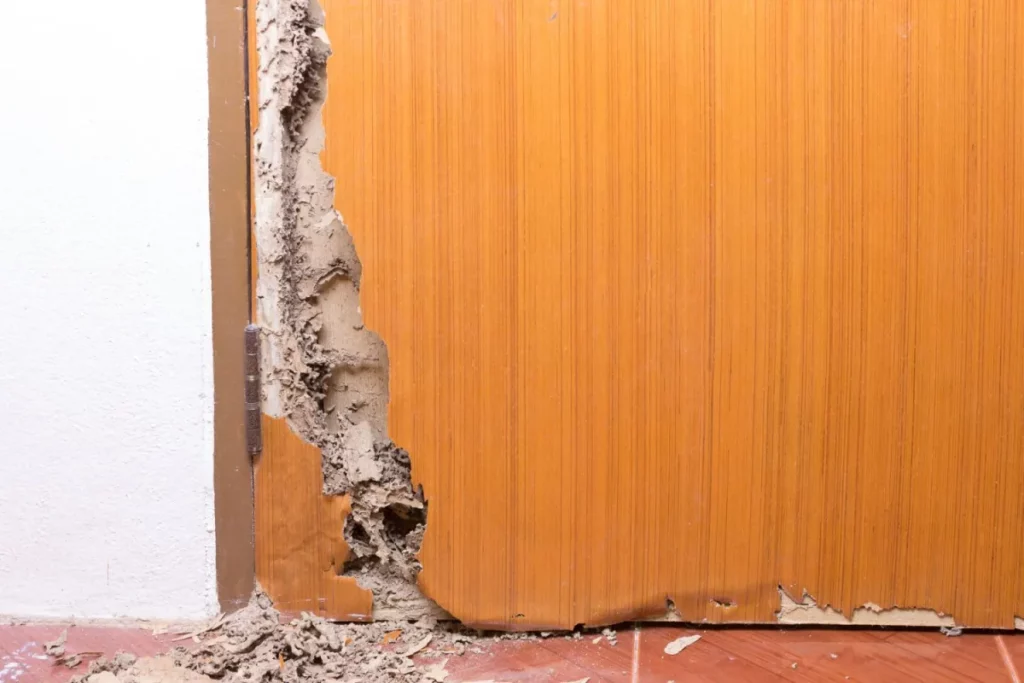
Before diving into the logistics of selling a home with termite history, it’s essential to understand what termite damage is and why it matters in the real estate market.
What is Termite Damage?
Termites are destructive pests that feed on wood, which is the primary material used in most homes. There are two main types of termites in California: drywood termites and subterranean termites. Drywood termites infest dry wood, such as beams and furniture, while subterranean termites live underground and can cause extensive damage to the foundations of homes.
Termite damage can range from minor cosmetic issues, such as small holes in wooden structures, to severe structural damage, compromising the integrity of the home. Signs of termite activity include:
- Hollow-sounding wood
- Mud tubes along walls or foundations
- Frass (termite droppings) near wooden structures
- Visible damage to beams, floors, and furniture
Why is Termite History Important for Home Buyers?
For buyers, termite damage can be a significant concern. A property with a termite history, especially if it hasn’t been adequately addressed, could have structural weaknesses that pose a risk. Buyers may worry about hidden damage that could resurface, leading to costly repairs down the line.
Additionally, a home with a history of termite infestations might trigger questions about the home’s overall maintenance and condition. If the infestation was severe, it could lower the property’s value and make buyers hesitant, even if the damage was repaired.
Potential Costs of Termite Damage
The cost of repairing termite damage depends on the extent of the infestation. Minor damage may only require small repairs, such as replacing damaged trim or beams. However, if termites have compromised the home’s structure, repairs could cost thousands of dollars. On average, termite treatment and repairs in California can range from $500 for minor issues to over $5,000 for extensive damage.
Understanding the potential repair costs is essential for sellers as it influences pricing strategies and expectations during the sale.
Legal and Ethical Considerations in Antioch, CA
When selling a house with a termite history, there are legal and ethical considerations to keep in mind. These considerations are not just about protecting your reputation as a seller; they also ensure that the transaction is legally sound and transparent.
California Disclosure Laws for Home Sellers
California law requires sellers to disclose any known termite damage, infestations, or treatments. Under California Civil Code 1102, home sellers must provide a Transfer Disclosure Statement (TDS) to the buyer, which includes information about the condition of the property, including termite history.
This disclosure includes details about:
- Whether the property has been treated for termites in the past
- Whether there is any current termite damage or active infestation
- Whether there are any treatments or repairs pending or completed
Failure to disclose termite damage can lead to legal issues, including lawsuits or the buyer backing out of the deal after discovering the infestation. In California, disclosure is crucial for avoiding legal complications and maintaining ethical standards.
For detailed information on California real estate disclosure laws and seller obligations, check out this guide on California residential seller disclosure requirements from Nolo.
Ethical Responsibilities of Disclosing Termite Damage
Beyond legal obligations, it is ethically important for sellers to fully disclose any termite issues. Transparency about the property’s condition helps build trust with buyers and can prevent misunderstandings during the negotiation process.
Even if termite damage has been treated or repaired, it is still important to disclose the history. Full disclosure enables buyers to make informed decisions and reduces the risk of disputes later in the process. Being upfront about termite issues can lead to smoother negotiations and avoid potential legal ramifications.
Impact of Termite History on Market Value in Antioch
In a competitive real estate market like Antioch, termite history can significantly affect the sale price and timeline. Understanding these impacts can help sellers make informed decisions about their listing strategy.
How Termite Damage Can Affect Sale Price
The presence of termite damage often leads to a reduction in the home’s market value. While some buyers may overlook minor issues, others will likely expect a price reduction to account for the cost of repairs. Typically, homes with termite damage can see a price reduction ranging from 5% to 20%, depending on the severity of the infestation.
In cases where significant structural damage has occurred, the price reduction can be much higher. For example, if the infestation has damaged support beams or foundation elements, repairs can be expensive and require extensive work, leading to a larger price cut.
Impact on Time to Sell
Homes with a history of termite issues can take longer to sell, especially if the damage is not addressed. Buyers may hesitate to purchase a home with a known pest history, leading to longer market times. In Antioch, homes with termite damage may sit on the market for weeks or even months longer than similar homes without pest issues.
If the seller is unwilling to make repairs or offer a discount, it could take even longer to find the right buyer.
Buyer Behavior: Are Buyers Less Likely to Purchase Homes with Termite Damage?
Termite damage can make a home less appealing to potential buyers, especially first-time homebuyers who may be unfamiliar with the potential risks. Buyers often see termite history as a red flag, and some may be reluctant to purchase a home with pest problems, regardless of whether the damage has been repaired.
However, there are buyers who are specifically looking for homes that need work, such as investors or those experienced in home repairs. These buyers may be willing to overlook termite issues if they believe they can get a good deal on the property.
Fixing Termite Damage Before Listing: Pros and Cons
Deciding whether to repair termite damage before listing the property is a significant decision for sellers. Both the pros and cons should be carefully considered.
Pros of Repairing Termite Damage Before Selling
There are several advantages to repairing termite damage before listing a home:
- Higher Sale Price: Homes with repaired termite damage often sell for a higher price compared to homes with visible pest problems. Buyers are more likely to offer a premium for a move-in-ready home without the need for additional repairs.
- Increased Buyer Confidence: Buyers are more likely to feel confident in purchasing a home that has been treated for termite damage. By repairing the damage upfront, you reassure potential buyers that the home is structurally sound.
- Faster Sale: Homes with repaired termite damage may sell faster, as they are less likely to deter buyers or raise concerns during negotiations.
Cons of Repairing Termite Damage Before Selling
On the flip side, there are also downsides to repairing termite damage before listing:
- Upfront Repair Costs: Repairing termite damage can be costly, and there’s no guarantee that the investment will pay off. Sellers should carefully weigh the costs of repairs against the potential increase in sale price.
- Over-Repairing: It’s possible to spend more on repairs than the home will ultimately increase in value. In cases of minor damage, it may not be worth investing in extensive repairs.
Should You Hire a Professional for Termite Repairs?
When it comes to repairing termite damage, hiring a licensed pest control professional is essential. Professionals can identify the extent of the damage, provide proper treatment, and ensure that all necessary repairs are made. DIY repairs may not address the root of the problem, leading to future issues.
Selling a House As-Is with Termite History
If you’re not willing to invest in repairs, selling a home “as-is” is an option. However, it comes with its own set of challenges and considerations.
What Does “Selling As-Is” Mean for Homes with Termite History?
Selling a home as-is means that you are selling the property without making any repairs. While this option may be appealing for sellers who don’t want to spend money on repairs, it can make the property less attractive to buyers.
In Antioch, homes with termite history that are sold as-is will likely be priced lower than homes that have been repaired. However, some buyers, such as investors, may see it as an opportunity to purchase the property at a discount and make the necessary repairs themselves.
For a more in-depth understanding of selling a house as-is, including pros and cons, check out Zillow’s helpful guide on How to Sell a House As-Is When It Needs Repairs.
How to Price an “As-Is” Home with Termite History
When selling as-is, it’s essential to price the home competitively. Research similar properties in the Antioch area to determine the appropriate price point for your home. Keep in mind that buyers will likely expect a discount due to the termite history, so be prepared for offers lower than market value.
Disclosing Termite Damage When Selling As-Is
Even when selling as-is, it’s still necessary to disclose any known termite damage. Full disclosure ensures that you remain compliant with California’s disclosure laws and helps avoid legal issues down the road.
Working with Buyers Interested in Homes with Termite History
If you’ve decided to list your home with termite history, working with the right buyer is key. Here’s how to manage offers and negotiations.
How to Handle Offers on Homes with Termite Damage
Expect offers that are lower than market value, especially if termite damage is significant. It’s essential to be open to negotiations and understand that buyers may ask for repairs or a price reduction. If you’re not willing to make repairs, consider offering a cash credit at closing to sweeten the deal.
Special Financing Options for Homes with Termite History
Some buyers may face challenges securing financing for a home with termite damage. While conventional loans may be available, certain types of financing, such as FHA loans, may not approve a home with extensive termite damage. Sellers should be prepared to work with buyers who are either paying cash or obtaining financing that allows for homes with pest histories.
Using Professional Help: Real Estate Agents and Pest Inspectors
Professional help can guide you through the process of selling a home with termite history. Here’s how professionals can make the selling process smoother.
Working with a Real Estate Agent
An experienced real estate agent can be an invaluable asset when selling a home with termite history. They can help price the home correctly, market it effectively, and handle negotiations with buyers. Agents with experience in Antioch’s real estate market will know how to handle termite disclosures and provide insights into how to maximize your home’s value despite termite history.
Hiring a Pest Inspector for Pre-Sale Inspections
Hiring a pest inspector before listing your home can help identify any hidden termite damage that may not be immediately visible. A pre-sale inspection can provide transparency and help you make informed decisions about repairs or pricing adjustments.
Benefits of Hiring a Contractor for Termite Damage Repair
If you decide to repair the damage, hiring a contractor is crucial. Contractors specializing in termite damage can ensure that repairs are done correctly and that the home is structurally sound. They can also help determine the return on investment for the repairs and advise on whether it’s worth proceeding with the repairs.
Frequently Asked Questions (FAQs)
Q. What should I do if my house has termite history in Antioch, CA?
Answer: If your house has termite history, you should disclose it to potential buyers, consider repairing the damage, or price it accordingly if selling as-is. Full transparency helps avoid legal issues and can enhance trust with buyers.
Q. How does termite damage affect home value in Antioch, CA?
Answer: Termite damage can reduce a home’s value by 5% to 20%, depending on the extent of the infestation. Buyers often expect a price reduction to account for repair costs or the risk of hidden damage.
Q. Do I need to repair termite damage before selling my house?
Answer: It’s not required, but repairing termite damage can increase your sale price and attract more buyers. If you sell as-is, ensure you price the home accordingly and disclose the damage upfront.
Q. Can I sell my house as-is with termite damage in Antioch, CA?
Answer: Yes, you can sell your house as-is with termite damage, but you must disclose the infestation history. Be prepared for a price reduction or negotiations with buyers who may ask for repairs.
Q. How much does it cost to repair termite damage before selling?
Answer: Repair costs for termite damage can vary widely, from $500 for minor repairs to over $5,000 for extensive structural damage. The total cost depends on the damage’s severity and the type of repairs needed.
Q. What are the legal requirements for disclosing termite damage in California?
Answer: In California, sellers must disclose termite damage under California Civil Code 1102 via a Transfer Disclosure Statement (TDS). Failure to disclose known termite issues can lead to legal consequences.
Conclusion
Selling a house with termite history in Antioch, CA, presents unique challenges but also offers opportunities for informed sellers. Whether you decide to repair the damage, sell as-is, or work with professional agents and inspectors, understanding the termite issue is crucial. By disclosing termite damage fully, pricing your home appropriately, and working with the right professionals, you can successfully sell your home and move on to the next chapter.
If you’re unsure about how to navigate the complexities of selling a house with termite history, Bay Area Home Offers is here to help. Our team specializes in buying homes in any condition, including those with termite damage, and we can make the process quick, easy, and hassle-free. Reach out to Bay Area Home Offers today to get a fair cash offer for your home and a seamless selling experience.