
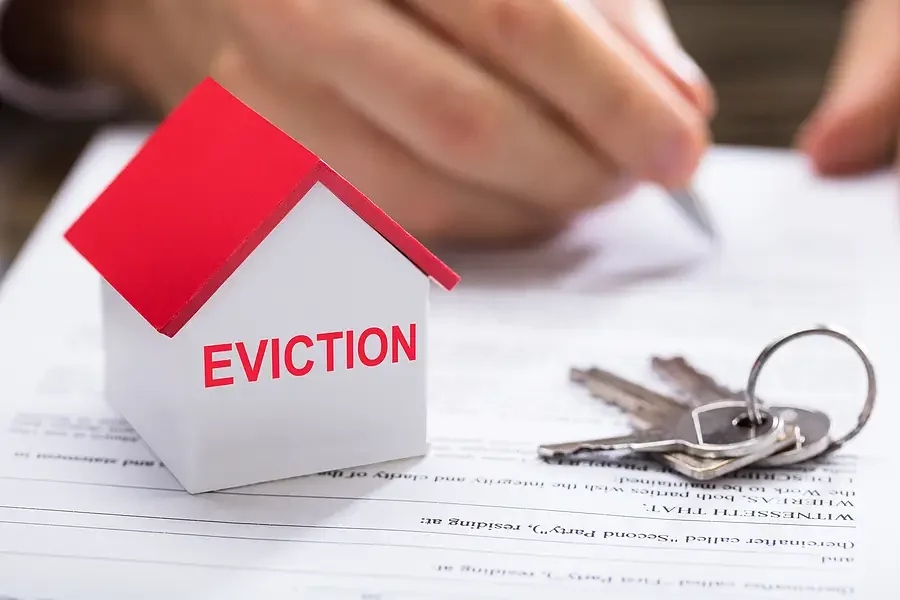
A San Jose landlord does not always have to wait for an eviction case to end before selling a rental property. But selling while a tenant still occupies the property can affect the buyer pool, contract terms, property access, and handling of a pending court case.
The practical question is usually: Should I wait for the possession issue to be resolved, sell with the tenant still in place, or explore another resolution before selling?
Quick Answer: Can You Sell a Rental Property During an Eviction in San Jose?
Yes. A San Jose rental property may be sold while an eviction is pending, but the real estate transaction and the possession case should be coordinated carefully.
California law provides that transferring an interest does not automatically end a pending action or proceeding. Depending on the case, the action may continue in the original party’s name or the court may permit substitution of the person receiving the transferred interest. See California Code of Civil Procedure Section 368.5.
A sale also does not automatically remove a tenant. San Jose has local rental ordinances in addition to California law, and the rules can depend on the property type and tenancy. The City of San José Housing Department is a useful starting point for local information.
The First Decision: Sell Now or Wait?
There is no automatic answer.
An owner-occupant buyer may require vacant possession. An investor buyer may evaluate an occupied rental differently, especially when the lease, payment history, notices, security deposit, property condition, and litigation status are well documented.
Before choosing a path, consider four questions.
Does the buyer require vacant possession?
Some buyers will only proceed if the property will be vacant at closing. Others may evaluate an occupied rental. Do not promise vacant delivery unless there is a realistic and legally reviewed path to providing it.
How far has the eviction progressed?
There is a practical difference between serving a notice, filing an unlawful detainer case, waiting for a court date, negotiating a resolution, obtaining a judgment, and dealing with post-judgment possession.
The Santa Clara County Superior Court eviction resources provide local court information. As a case progresses, coordinating any ownership transfer with legal and transaction professionals becomes especially important.
What is it costing you to keep holding the property?
Compare more than the possible sale price. Consider mortgage payments, taxes, insurance, legal expenses, property management, repairs, utilities, unpaid rent, and the time required to manage the situation.
These costs do not automatically make a quick sale best, but they belong in the comparison.
How much preparation will a traditional sale require?
A rental involved in an eviction may also need cleanup, landscaping, roof work, plumbing repairs, interior updates, or other deferred maintenance.
For some properties, preparing and marketing the home broadly may produce the strongest result. For others, an as-is sale may be more practical. Owners can also review Bay Area Home Offers’ guide to selling a San Jose home for cash without making repairs.
Why the Type of San Jose Rental Property Matters
Not every San Jose rental property falls under identical local rules.
The City of San José describes different coverage for its local rental ordinances. For example, the City says its Apartment Rent Ordinance applies to apartments in buildings with three or more units built before September 1979. The City describes different coverage for its Tenant Protection Ordinance, including tenants in apartment buildings with three or more units, guest houses, and non-permitted units.
The City also states that its Tenant Protection Ordinance requires a recognized just cause before terminating covered tenancies.
That distinction matters because a single-family rental, condominium, duplex, fourplex, guest house, non-permitted unit, and larger apartment building should not automatically be treated as though the same local requirements apply.
Practical takeaway: Identify the property type, tenancy history, lease status, and applicable state and local protections before changing eviction strategy or promising vacant delivery.
This article provides general homeowner education and is not legal, tax, or financial advice. Eviction and tenant-protection issues are fact-specific. A property owner dealing with an active case should consider speaking with a qualified California landlord-tenant or real estate attorney and the professionals handling the sale.
Selling the Property Is Not the Same as Evicting a Tenant Because You Want to Sell
A landlord should not assume that placing a property on the market automatically provides a lawful basis to remove a tenant.
For tenancies covered by California just-cause protections, Civil Code Section 1946.2 identifies statutory at-fault and no-fault grounds and additional requirements. San Jose also has local protections for covered properties.
The key distinction is simple:
“I have decided to sell” and “I have a lawful basis to terminate this tenancy” are not interchangeable statements.
Before changing course during an eviction, have the property type, notice, lease, tenancy history, and local ordinance coverage reviewed.
Three Ways to Approach the Sale
Path 1: Resolve Possession Before Selling
The owner continues with the lawful process or another resolution and sells after the occupancy issue is settled.
This may fit when a broad buyer pool is the priority, repairs will be easier when vacant, showings matter, or the owner can continue carrying the property.
The tradeoff is continued responsibility for the property. There is no universal eviction timeline; timing can depend on notice, service, tenant response, defenses, court scheduling, and settlement discussions.
Path 2: Sell the Property While It Is Still Occupied
A rental property does not necessarily have to be vacant before it is offered for sale.
An occupied sale usually requires more documentation. A serious buyer may want the lease and amendments, rent history, security deposit records, notices, court filings, repair records, management agreements, and relevant local compliance records.
Owners preparing for a sale can review the guide to documents needed to sell a rental property in California. For broader occupied-sale information, see selling a house with tenants in San Jose.
Path 3: Explore a Voluntary Resolution
Not every landlord-tenant dispute ends with a fully contested court proceeding.
Santa Clara County Superior Court provides information about mediation resources for eviction matters. A voluntary resolution may sometimes give both sides more control over timing.
No landlord should assume that a tenant will agree. Any settlement, dismissal, payment arrangement, or move-out agreement should be documented properly and reviewed by appropriate legal counsel.
What Happens to a Pending Eviction Case If the Property Is Sold?
California Code of Civil Procedure Section 368.5 says an action or proceeding does not automatically end because an interest has been transferred. It also provides that the action may continue in the original party’s name or the court may allow substitution of the transferee.
Before closing, the seller and buyer should understand responsibility for continued prosecution of the case, settlement authority, attorney communication, possession decisions, unpaid rent claims, legal costs, and tenant communication after closing.
The purchase agreement should reflect the actual occupancy and litigation situation rather than leaving those questions until closing.
Can You Show a San Jose Rental While a Tenant Still Occupies It?
California Civil Code Section 1954 permits landlord entry for specified purposes, including exhibiting a dwelling to prospective or actual purchasers, subject to applicable notice and access requirements.
A conventional sale may involve photography, buyer showings, inspections, contractor estimates, appraisals, and follow-up access. A direct buyer may require fewer visits, but the owner’s legal obligations still apply. An eviction dispute should not be treated as permission for unannounced or retaliatory access.
A San Jose Landlord Scenario: Sell Now or Wait?
Consider a hypothetical owner of a four-unit rental property in San Jose.
Three units are occupied by tenants paying rent. The fourth tenancy is involved in a disputed possession case. The building also needs exterior repairs and plumbing work, and the owner is tired of coordinating management, legal appointments, and maintenance.
The owner initially assumes there are only two choices: finish the eviction and renovate before selling, or keep the building indefinitely.
But better questions are available. Could the property be sold as an occupied investment property? Would a buyer accept the existing leases and separately evaluate the pending case? Would waiting improve net proceeds enough to justify additional carrying costs? Would selected repairs improve marketability without a full renovation? Would an as-is direct offer provide enough convenience to justify accepting less than the owner hopes to achieve from a fully prepared retail sale?
The lesson is not that one option always wins. It is that a pending eviction does not automatically make the property impossible to sell.
Comparing the Main Selling Options
| Option | May Fit Best When | Important Tradeoff |
|---|---|---|
| Wait and sell after possession is resolved | The owner wants the broadest buyer pool and can continue carrying the property | The owner remains responsible for the property while waiting |
| List the occupied rental with an agent | The property is marketable to investors and the tenancy is well documented | Access, inspections, financing, and occupancy can add complexity |
| Make selected repairs before listing | Improvements are likely to improve marketability enough to justify the cost | Repairs require cash, time, access, and contractor coordination |
| Reach a voluntary tenant resolution | Both sides are willing to negotiate a documented agreement | Agreement is not guaranteed |
| Sell directly as-is | The owner prioritizes simplicity, reduced preparation, and less financing uncertainty | A direct offer may be lower than the price achievable through a successful repaired retail sale |
Documents to Organize Before Speaking With Buyers
Good documentation can reduce confusion. Gather what is available:
- current lease and amendments;
- rent ledger;
- security deposit records;
- notices served and proof of service;
- filed court documents and tenant responses;
- property management agreement;
- repair and maintenance records;
- relevant code or permit correspondence;
- title information; and
- important written communications.
Do not hide missing records. Identify what exists, what does not, and what may need to be obtained.
Mistakes That Can Make the Sale Harder
Promising vacant possession too early
Do not sign a contract promising an occupancy outcome you are not certain you can deliver. The agreement should reflect the actual situation and legally supportable plan.
Treating the sale as a shortcut around the legal process
A sale does not create permission to change locks, shut off utilities, remove belongings, or otherwise bypass the legal possession process. The California Courts eviction guide provides statewide process information.
Assuming every San Jose rental is regulated the same way
Local ordinance coverage can differ by property type and tenancy. Identify the property category before making legal or transactional assumptions.
Comparing buyers only by the offer price
Review the complete written terms, including financing contingencies, inspection rights, deposits, proof of funds when appropriate, cancellation provisions, assignment language, occupancy requirements, closing conditions, and responsibility for transaction costs.
How a Direct Sale Can Be Evaluated
A direct sale is one option, not the only option.
It may be worth comparing when a landlord wants to avoid major repairs, a long preparation process, repeated access, or ordinary buyer mortgage uncertainty—or simply wants another path to compare.
Bay Area Home Offers is a Bay Area property buyer serving San Jose homeowners and may evaluate properties as-is and with tenants in place. Sellers can review how the home-buying process works and compare a direct offer with an agent-assisted listing, as-is listing, selected repairs, or continued ownership.
Frequently Asked Questions
Can I sell a rental property while an eviction is pending in San Jose?
Yes. A rental property may be sold while an eviction is pending, but the sale and court case should be coordinated carefully. The proper approach depends on the tenancy, case status, buyer, and transaction terms.
Does selling the property automatically end the eviction or remove the tenant?
No. Selling the property does not automatically remove the tenant or end a pending eviction case. The ownership transfer and possession process are separate matters that may need legal coordination.
Should I wait until the eviction is finished before selling my San Jose rental?
Not always. Waiting may make the property easier to market, while selling earlier may reduce additional holding costs and management responsibilities. Compare the likely net proceeds, timeline, property condition, and buyer requirements.
Can a buyer purchase a San Jose rental with the tenant still in place and an eviction pending?
Potentially, yes. Some buyers consider occupied rentals, but they will usually want clear information about the lease, rent history, notices, court case, security deposit, and property condition.
Can I show the rental property to buyers while the eviction is pending?
California law allows property access for certain purposes, including showing a rental to prospective buyers, subject to applicable notice and access requirements. An eviction dispute does not eliminate the tenant’s legal rights.
Do San Jose tenant-protection rules affect a sale during an eviction?
They can. San Jose has local rental ordinances that may affect covered properties and tenancies. Owners should confirm which state and local rules apply before changing strategy or promising vacant possession.
Can I sell my rental directly to a cash buyer during an eviction?
Potentially, yes. Some direct buyers may evaluate a rental with its current occupancy, condition, and legal situation disclosed. Compare any cash offer with an agent-assisted sale, an as-is listing, and the cost of continuing to hold the property.
Compare Your Options Before Deciding When to Sell
Selling a rental property during an eviction in San Jose is rarely a one-question decision.
Consider the tenancy, property type, local protections, stage of the court case, property condition, buyer requirements, expected net proceeds, and cost of continuing to hold the property.
For one owner, waiting for possession and preparing the property for a broad retail-market sale may be worth the additional time and expense. For another, an occupied investor sale may make more sense. For an owner exhausted by repairs, management, and an ongoing tenant dispute, comparing an as-is direct offer may provide useful clarity even if another path is ultimately chosen.
Before deciding, compare the numbers, contract terms, timeline, and practical burden of each realistic option.
Homeowners can learn more about selling a property in San Jose or request a cash offer to compare with other selling options.