
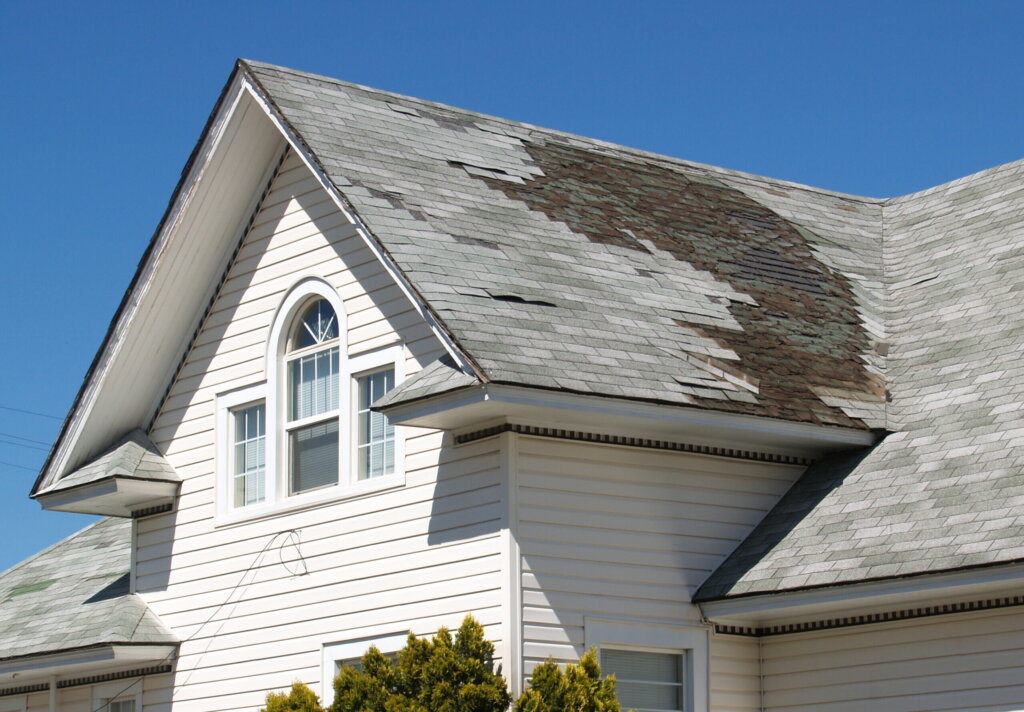
A leaking or deteriorated roof can make selling an Oakland home more complicated, but it does not automatically mean you need to replace the roof before putting the property on the market.
The more useful question is whether repairing it will leave you financially better off.
Before committing to a major roofing project, compare what the house may be worth in its current condition with what you could realistically net after repairs. Depending on the property, you may choose to fix the roof, list the home as-is, or sell directly to a buyer willing to take on the repairs.
Quick Answer
Yes, you can sell a house with roof damage in Oakland, CA. Your options may include repairing the roof before listing, marketing the property as-is, or selling directly to a buyer who accepts its current condition. Before choosing, compare repair costs, likely net proceeds, time, financing considerations, and the possibility of additional water-related damage.
A Bad Roof Does Not Always Mean a Full Roof Replacement
A ceiling stain can look alarming, but it does not tell you the entire story.
The problem could be limited to flashing around a vent or chimney. It could involve worn roofing material, deteriorated underlayment, damaged decking, or a larger section of the roofing system. If water has been entering the property for some time, the issue may also extend to ceilings, insulation, framing, walls, or interior finishes.
That distinction matters when selling.
A buyer evaluating a localized repair is dealing with a different level of uncertainty than someone considering a property with an active leak, deteriorated decking, and interior water damage.
Before deciding what to spend, try to understand the scope of the problem rather than assuming the worst—or minimizing it.
A qualified roofing professional can help identify whether you are dealing with a repair, partial replacement, or broader roofing problem.
Before You Repair the Roof, Price the House Two Ways
One of the most useful steps for an Oakland homeowner is to evaluate the property under two scenarios:
Scenario A: Sell the house in its current condition.
Scenario B: Repair the roof first and then sell it.
The second number is not automatically better.
Suppose repairing the roof increases buyer confidence and makes the property easier to finance. That can be valuable. But you also have to account for the money spent on the work, the time required to obtain bids and complete the project, possible permit requirements, holding expenses, and the risk that additional damage appears after work begins.
Instead of asking:
“Will a new roof increase my sale price?”
Ask:
“Will the increase in my likely net proceeds justify the money, time, and uncertainty required to complete the work?”
That is a much better way to make the decision.
If the property needs several major improvements beyond the roof, our guide to selling a fixer-upper house as-is in California explains how to evaluate the larger repair picture rather than treating each project separately.
When Fixing the Roof Before Selling May Be Worth It
Repairing first can be reasonable when the problem is clearly defined and the rest of the home is in relatively marketable condition.
For example, repairs may deserve serious consideration when:
- The issue is localized rather than extensive.
- You have reliable roofing estimates.
- You can comfortably fund the work.
- You are not under significant time pressure.
- Completing the repair could remove a major buyer objection.
- You plan to market primarily to owner-occupant retail buyers.
- Your agent believes the work would meaningfully improve the property’s marketability or expected net proceeds.
The key is having enough information to make that decision.
A homeowner who receives a manageable repair estimate is in a very different position from an owner who opens the roof and discovers deteriorated decking, dry rot, or water damage that expands the scope of work.
When Selling the Oakland House As-Is May Be More Practical
Selling without completing the roof work can make sense when the property has become more of a project than you want to manage.
That may apply when:
- The roof needs substantial work.
- Water has already affected the interior.
- The house has other deferred maintenance.
- You inherited the property and do not know its repair history.
- You live outside Oakland or outside California.
- The property is vacant.
- You do not want to coordinate contractors.
- You would need to borrow or use savings to fund repairs.
- Your priority is reducing preparation and uncertainty rather than pursuing the property’s fully renovated retail value.
An as-is sale does not mean the condition becomes irrelevant. Buyers will still evaluate it, and the expected cost and risk of repairs may affect what they are willing to pay.
It simply means you are evaluating the property in its existing condition rather than renovating it for the next owner.
For a broader explanation of this approach, see our guide to selling a house as-is in the San Francisco Bay Area.
Three Realistic Ways to Sell an Oakland Home With Roof Damage
There is no single selling method that fits every damaged property.
| Option | May Fit When | Main Tradeoff |
|---|---|---|
| Repair, then list | You have time and funds and the repair could improve marketability | Requires upfront investment and project management |
| List the house as-is | You want market exposure but do not want to complete major repairs | Buyers may still negotiate after inspections or have financing concerns |
| Sell directly as-is | You prioritize simplicity and want a buyer prepared to evaluate the existing condition | A direct offer may be below what a successfully repaired retail sale could produce |
If you are considering the third option, compare more than the offer amount.
Review inspection rights, contingencies, proof of funds when appropriate, responsibility for costs, closing terms, assignment language, and whether the buyer can change the price after further evaluation.
Bay Area Home Offers also has an existing Oakland home-selling page for homeowners comparing a direct as-is sale with other options.
Oakland Roof Work Has a Local Permit and Records Component
Roof repairs are not only a contractor issue.
The City of Oakland maintains a specific Re-Roofing & Insulation Certificates process. The city’s homeowner permitting resources also state that building permits are required for applicable work.
That local detail is worth checking before you sign a contract for substantial roofing work.
It may also matter when you are trying to understand work completed by a previous owner.
Oakland’s Planning & Building Department allows owners and other parties to request property and permit records. The city also offers a Residential Building Record, commonly called a 3-R Report, which provides a formal permit history for a residential property.
This can be particularly useful when:
- You inherited an older Oakland home.
- You do not know who completed earlier roof work.
- Previous owners made improvements.
- You have invoices but little permit documentation.
- A prospective buyer asks questions about prior work.
Permit requirements depend on the scope of the project, so confirm the current requirements with Oakland Planning & Building before starting work.
Selling As-Is Does Not Mean Ignoring Known Roof Problems
“As-is” describes the condition in which the seller is offering the property. It should not be treated as permission to conceal known defects.
The California Department of Real Estate explains that the state’s real-property disclosure documentation addresses the physical condition of residential property and potential defects or hazards.
If you know about an active leak, previous roof failure, repaired water damage, or another significant condition, discuss the appropriate disclosure requirements with your real estate professional or California real estate attorney.
Helpful records may include:
- Roofing invoices
- Contractor estimates
- Warranty information
- Inspection reports
- Permit documentation
- Photos of previous damage
- Insurance correspondence
- Records of completed repairs
Good documentation can help distinguish what is known from what is merely suspected.
Important: This is general homeowner education, not legal advice. California disclosure requirements can depend on the property and transaction. A qualified California real estate professional or attorney can advise you about your specific obligations.
What if the Roof Leak Is Connected to an Insurance Claim?
Do not assume either that your homeowners policy will cover the roof problem or that it will not.
Coverage can depend on what caused the damage and the language of the policy.
The California Department of Insurance Residential Property Claims Guide explains that homeowners coverage may apply to certain forms of water damage—for example, rain entering through a roof opening caused by a covered event—while other causes may not be covered. The department recommends checking directly with the insurer regarding the specific loss.
If a claim has already been opened, organize:
- Claim correspondence
- Adjuster reports
- Contractor estimates
- Temporary-repair receipts
- Payments already made
- Photos of the damage
- Documentation showing completed repairs
Before selling while a claim remains unresolved, ask your insurance professional how the transaction could affect the claim or any remaining benefits.
Oakland Example: When Selling As-Is May Make More Sense
Imagine someone inherits an Oakland house that has been vacant for several months.
There is a water stain in one bedroom, evidence of an older patch on the roof, and no clear record showing when the roof was last replaced. The owner lives outside the Bay Area and would have to coordinate inspections and contractors remotely.
Immediately ordering a complete replacement could be premature.
A more informed sequence would be to document the visible condition, obtain a professional roofing opinion, review available Oakland permit history, and find out what the property might realistically sell for in its current condition.
The owner can then compare that number with the expected result after repairs.
If repairing the roof materially improves the expected net proceeds, completing the project may make sense.
If the improvement is relatively small after accounting for construction costs, additional repairs, carrying time, and the owner’s effort, an as-is sale may be more practical.
That is a real decision—not simply a choice between “good house” and “damaged house.”
What if Roof Damage Has Already Caused Interior Problems?
This is where sellers should be careful about treating the roof as an isolated repair.
A leak may leave:
- Ceiling stains
- Damaged drywall
- Wet insulation
- Deteriorated wood
- Peeling paint
- Odors
- Visible moisture
- Possible mold concerns
The visible roof repair may therefore represent only part of the property’s condition.
If there are indications of significant moisture, structural deterioration, or mold, the appropriate professional can help determine the actual scope.
This also affects how you compare selling options.
A homeowner might be comfortable completing a small roofing repair but decide against managing a project involving roofing, interior demolition, moisture remediation, and finish work.
That is one reason a whole-property evaluation is often more useful than focusing only on the roof.
What if the Oakland Property Is a Rental or Inherited Home?
Roof problems can become harder to manage when you are not simply dealing with your own primary residence.
An inherited property may come with missing repair records, accumulated belongings, several family members involved in decisions, or an owner who lives far from Oakland.
A rental can involve another practical issue: people are living in the property while the roof problem is being evaluated.
If tenants are involved, do not assume that selling the property eliminates landlord obligations or applicable tenant protections. California and local requirements can depend on the lease, occupancy, property condition, and circumstances. Obtain appropriate legal or housing guidance when necessary.
For inherited properties, verify ownership and authority to sell before committing to a transaction.
What to Do Before Deciding Whether to Repair or Sell As-Is
You do not need an eight-step renovation plan to figure out what to do.
Start with four questions:
1. What is actually wrong with the roof?
Separate confirmed facts from assumptions. A roofing evaluation may reveal a smaller—or larger—problem than expected.
2. What else has the leak affected?
Look beyond the roof surface when there is evidence of interior water intrusion.
3. What would the property sell for in its present condition?
Ask a local real estate professional for an as-is assessment and, if appropriate, obtain direct offers.
4. What would you realistically net after repairing it?
Subtract the actual repair budget and consider the time, carrying costs, uncertainty, and effort required.
Once those answers are on paper, the right selling path is usually much easier to evaluate.
Common Mistakes to Avoid
Replacing the roof before getting enough information
A roofing project is a financial decision as much as a maintenance decision when you already plan to sell.
Assuming a visible stain tells you the full repair scope
The source of the leak and any hidden damage may matter more than the stain itself.
Hiding a known problem because the property is being sold as-is
As-is does not automatically remove applicable California disclosure responsibilities.
Looking only at the highest offer
An offer with substantial contingencies or uncertainty is not necessarily stronger than a slightly different offer with clearer terms.
Forgetting previous permits and repair records
For Oakland properties, available Planning & Building records may help clarify prior work.
Assuming a direct cash sale is always better
It is not. A repaired retail sale may produce a better financial result in some situations. A direct sale is primarily another option to compare when avoiding repairs, showings, financing uncertainty, or project management matters to the seller.
Frequently Asked Questions About Selling a House With Roof Damage in Oakland
1. Can I sell a house with roof damage in Oakland, CA?
Yes. You may be able to sell the property without replacing the roof first. Your options can include repairing it, listing the house as-is, or selling directly to a buyer willing to take on the repairs.
2. Do I need to replace the roof before selling my Oakland house?
Not necessarily. Before replacing the roof, compare the estimated repair cost with the likely difference in your net proceeds. A major roof project does not automatically produce an equal increase in sale value.
3. Can I sell an Oakland house with an active roof leak?
Potentially, yes. An active leak may affect buyer interest, inspections, financing, and the property’s value, especially if water has damaged ceilings, walls, insulation, or framing.
4. Should I repair my roof or sell the house as-is?
It depends on the repair scope, your budget, timeline, and expected net proceeds. Repairing may make sense for a manageable problem, while selling as-is may be more practical when repairs are extensive or uncertain.
5. Will roof damage lower my home’s selling price?
It can. Buyers may reduce their offers to account for repair costs and the risk of hidden damage. The impact depends on the roof condition and whether other parts of the property have been affected.
6. Can a cash buyer purchase a house that needs a new roof?
Yes, some cash buyers purchase properties that need significant roof repairs and evaluate them in their current condition. Homeowners should still compare the offer with an as-is listing and a repaired-sale option.
7. Does Oakland require permits for roof replacement?
Oakland has permitting and re-roofing requirements for applicable projects. Before beginning major roofing work, confirm the current requirements with the City of Oakland Planning & Building Department.
Should You Repair the Roof Before Selling Your Oakland House?
Roof damage can feel like the problem that must be solved before anything else happens.
For an Oakland homeowner who already plans to sell, that is not always true.
First determine what is wrong, whether the damage extends beyond the roof, what the property could sell for today, and what you would realistically gain by completing the repairs.
Then compare your choices.
A repaired open-market sale may be worth the work when it produces a meaningfully stronger result. An as-is listing may make sense when you want market exposure without renovating. A direct sale may be useful when avoiding the roofing project and reducing transaction uncertainty matter more than pursuing the property’s fully repaired retail price.
If you want another number to include in that comparison, Bay Area Home Offers can review an Oakland property in its current condition and provide a direct cash offer to evaluate alongside your other selling options. You can also review how Bay Area Home Offers evaluates houses before deciding whether that route fits your situation.
The goal is not to choose the fastest-looking option or automatically spend money on the roof.
It is to understand the numbers, the condition of the property, and the tradeoffs well enough to choose the path that makes sense for you.