
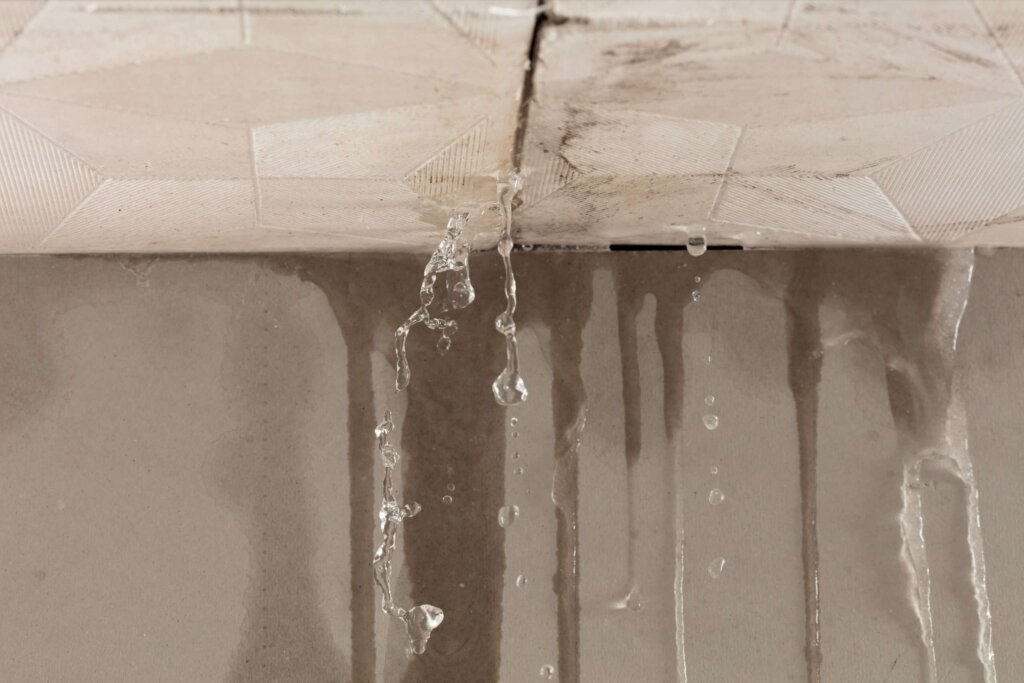
A leak is fixed. The floor is still warped. There is a stain on the ceiling, part of the drywall feels soft, and now you are wondering how far the damage really goes.
For a San Jose homeowner planning to sell, an expensive mistake is spending heavily on visible repairs before knowing whether they will improve the final result.
You can sell a house with water damage in San Jose without restoring every damaged area first. Identify the source, understand the repair scope, gather your records, and compare repaired versus as-is options before committing to a renovation.
Quick Answer
Yes. A water-damaged house can be sold in San Jose. Depending on the condition, you may repair it before listing, list the property as-is with a real estate agent, or sell directly to a buyer willing to take on the repairs.
Selling as-is does not automatically remove California disclosure responsibilities. The California Department of Real Estate explains that residential transactions can require seller disclosures concerning known property conditions and defects. Review the California DRE’s property disclosure information before assuming an as-is sale changes those obligations.
The best option is usually the one that gives you the strongest net result after repair costs, time, risk, and effort are considered.
First, Find Out Whether the Water Problem Is Actually Over
Water damage may begin with a leaking supply line, failed water heater, roof leak, appliance overflow, bathroom leak, window intrusion, or hidden plumbing problem.
The visible stain is only part of the decision. Moisture may have reached drywall, insulation, cabinets, subflooring, framing, electrical components, or flooring even when the affected area looks small.
The California Department of Insurance advises homeowners to stop leaks promptly because retained moisture can contribute to mold and further damage. It also recommends contacting the insurer about applicable water-damage coverage.
So the first question is not, “How fast can I repaint this?” It is, “Is the source fixed, and what was actually affected?”
Before You Fix the Drywall, Find Out What Is Behind It
This is one place where a water-damaged property differs from an ordinary fixer-upper.
Painting a stained ceiling or replacing damaged flooring can improve appearance, but it does not tell you whether moisture remains behind the surface.
Before paying for cosmetic work, try to answer four questions.
Where did the water come from?
A roof leak creates a different repair decision from an appliance hose that was caught quickly.
How long was the area wet?
A short incident may be much more contained than a slow leak that went unnoticed.
Which materials were affected?
Replacing drywall is one thing. Discovering damaged cabinets, insulation, subflooring, framing, or electrical components can change the scope quickly.
Is the source fully corrected?
A documented past leak is different from a problem that may still be active.
If a qualified contractor, restoration professional, plumber, roofer, or inspector is needed to answer those questions, getting that information may be more valuable than rushing into a full renovation.
Keep the Paper Trail
When selling, records can be almost as important as repaired surfaces. Keep documentation such as:
- Before-and-after photos
- Plumbing or roofing invoices
- Restoration reports
- Moisture readings
- Contractor estimates
- Insurance correspondence
- Inspection reports
- Mold-related reports, if any
- Permit records
- Receipts for completed repairs
These records can help explain what happened, what was corrected, and what remains. If an insurance claim is open, review the documentation before committing to more work.
Coverage depends on the cause and policy, so confirm water or mold coverage directly with the insurer.
Check San Jose Permit Questions Before Starting a Big Repair
A water-loss project can begin as cleanup and turn into plumbing, electrical, roofing, mechanical, or construction work.
That is where local permit questions can matter.
The City of San José explains that some minor improvements may be completed without a building permit, while other work requires permits and inspections. Before authorizing substantial restoration, check the City’s current building permit requirements for the actual work being proposed.
For example, the City’s guidance treats some minor repairs differently from new or replacement work involving plumbing, roofing, electrical systems, or other building components.
The requirement depends on the repair scope, not simply on the fact that the property had water damage.
Before hiring someone for significant work, ask:
- What exactly will be repaired or replaced?
- Which parts require permits?
- Who will obtain them?
- Will inspections be required?
- Who will make sure the permit is finalized?
- What documentation will I receive?
San Jose homeowners can also use the City’s SJPermits resources to research permit and inspection records.
This is easier to investigate before a buyer, agent, inspector, or closing process begins asking questions.
Should You Repair Water Damage Before Selling?
Sometimes repairing first is the better choice.
Sometimes the money is better left unspent.
The useful comparison is not simply, “Which option gives me the highest sale price?”
It is, “Which option leaves me with the strongest net result after everything required to get there?”
| Option | May Fit When | Main Tradeoff |
|---|---|---|
| Repair and list | Damage is contained, costs are predictable, and you have time | Upfront repair expense and contractor management |
| Make targeted repairs | Fixing a few major issues may improve buyer confidence | Easy to slide into unnecessary remodeling |
| List as-is with an agent | You want market exposure without completing everything | Inspections, financing, and negotiations may remain |
| Sell directly as-is | You want to avoid major repairs or preparation | The offer may reflect the buyer’s repair cost and risk |
For a broader comparison, see Bay Area Home Offers’ guide to selling a house as-is in the San Francisco Bay Area.
A Higher Sale Price Is Not Always a Higher Net
Imagine two possible outcomes.
In the first, you repair the house and sell for more. But getting there requires restoration, contractor coordination, cleanup, additional holding time, and normal transaction expenses.
In the second, you accept a lower as-is price but spend much less preparing the property.
The repaired option could still be better financially. The point is that you cannot know from the sale price alone.
A simple comparison is:
Expected sale price
− repair and preparation costs
− holding and transaction expenses
− buyer credits or concessions
= estimated net proceeds
Then compare that result with an as-is option. If the property also needs a roof, electrical work, plumbing updates, or other deferred maintenance, review Bay Area Home Offers’ California fixer-upper selling guide before spending heavily.
Can You Sell the House As-Is With the Water Damage Still There?
Potentially, yes.
Selling as-is generally means the seller is offering the property in its current condition instead of agreeing in advance to complete certain repairs.
It does not mean known problems disappear from the transaction.
California DRE consumer guidance explains that seller disclosure documents can address the property’s physical condition and known defects. Specific requirements and exemptions depend on the transaction.
For a water-damaged property, relevant information may include known leaks, prior water intrusion, repairs, insurance claims, moisture problems, or other known conditions.
If you are uncertain about your disclosure obligations, speak with an appropriate California real estate professional or attorney rather than guessing.
This article is for general informational purposes only and is not legal, tax, insurance, financial, or real estate advice. Requirements may vary based on the property, transaction, insurance policy, and applicable California or local laws. Homeowners should verify their specific situation with the appropriate licensed professional or local agency.
How Different Buyers May View the Same Damage
A retail buyer may worry about hidden moisture, inspections, insurance, repair costs, or financing. A renovation buyer or real estate investor may be more comfortable estimating the repair cost after purchase and building that risk into the offer.
That difference is one reason an as-is property should not automatically be judged by the same price as a fully repaired retail home.
For the broader no-repair option, see Bay Area Home Offers’ guide to selling a San Jose home for cash without repairs.
Repair or Sell As-Is? A San Jose Example
Consider a San Jose homeowner preparing an older family house for sale.
While clearing the property, they notice staining near a bathroom wall. A plumber discovers that a slow leak has affected the area longer than expected.
The first instinct is to repair the pipe, replace the drywall, install new flooring, repaint, and continue preparing the property.
Then opening the wall changes the picture. More material may need to be removed, and the homeowner now has to decide how much additional work is worth taking on.
Instead of automatically approving the entire project, the owner gets:
- An estimate for the necessary repair work
- An opinion of what the home might sell for repaired
- An opinion of what it could sell for as-is
- A direct as-is offer for comparison
Now the decision is based on actual alternatives rather than fear of trying to sell a “damaged” house.
If repairing creates enough additional net value, the homeowner can proceed with the work.
If the gain is small compared with the cost, time, and uncertainty involved, selling in the current condition may be more practical.
That is a better decision process than renovating first and doing the math afterward.
How to Prepare a Water-Damaged San Jose House for Sale Without Overdoing It
You do not need to turn every damaged property into a remodeling project. Focus first on work that prevents further damage or gives you better information.
Stop the Source
Do not spend money on appearance while water is still entering the property.
Learn the Repair Scope
Separate necessary work from cosmetic improvements.
Gather Records and Check Permits
Keep insurance, contractor, inspection, repair, and permit documentation together. If significant work is planned or already completed, verify the applicable San Jose requirements.
Get an As-Is Opinion Before Renovating
A local real estate agent can help estimate how buyers may respond to the property in its current condition.
Compare a Direct-Sale Option if Convenience Matters
A direct offer gives you another number to compare with the repair-and-list scenario. Bay Area Home Offers explains its process on the How We Buy Houses page.
Common Mistakes That Can Make a Water-Damage Sale Harder
Repairing the appearance before solving the cause.
New paint does little good if moisture is still entering the house.
Starting a full renovation without comparing alternatives.
A seller can spend money that does not come back dollar-for-dollar in the sale.
Throwing away repair records.
Documentation can help explain what was found and what was corrected.
Assuming as-is means nothing must be disclosed.
Repair responsibility and disclosure obligations are separate issues.
Ignoring permits until the house is under contract.
Questions are easier to investigate before transaction deadlines begin.
Comparing only offer prices.
Price matters, but so do repair obligations, contingencies, financing, and closing certainty.
FAQs About Selling a Water-Damaged House in San Jose
Can I sell a house with water damage in San Jose, CA?
Yes. You can sell a water-damaged house in San Jose without completing every repair first. Depending on the condition, you may repair it, list it as-is, or sell directly to a buyer willing to handle the repairs.
Should I repair water damage before selling my San Jose house?
Not always. Repairing may make sense if the damage is limited and the added sale value is likely to exceed the repair cost. Compare repaired and as-is selling options before committing to major work.
Can I sell a water-damaged house as-is in San Jose?
Yes, an as-is sale may be possible. You should still understand any applicable disclosure obligations and clearly define which repairs, if any, the buyer expects you to complete.
Do I have to disclose water damage when selling a house in California?
Known material property conditions may need to be disclosed in a California home sale. Exact requirements depend on the transaction, so confirm your obligations with an appropriate California real estate professional or attorney.
Do water-damage repairs require permits in San Jose?
It depends on the work. Some minor repairs may be permit-exempt, while certain plumbing, electrical, roofing, mechanical, or structural work may require permits. Check current City of San José requirements before beginning substantial restoration.
Will a cash buyer purchase a house with water damage?
Some cash buyers purchase homes with major repair needs. Bay Area Home Offers may consider San Jose properties in as-is condition, allowing homeowners to compare a direct offer with repairing or listing the property.
Make the Decision Before You Make the Renovation
Water damage creates uncertainty, and that is exactly why it helps to compare your options before committing money to a large repair project.
Find the source. Understand the scope. Keep your records. Check permit questions. Then determine what the San Jose property could realistically sell for both repaired and in its present condition.
If the repair path clearly leaves you in a stronger position, you can move forward knowing why you are spending the money.
If you would rather avoid restoration, contractor coordination, cleaning, showings, and extensive preparation, you can also compare an as-is offer.
Bay Area Home Offers serves homeowners in San Jose and throughout the Bay Area. You can review the company’s San Jose home-selling page or request a cash offer and compare it with an agent-assisted sale, repairing first, or another option.
Requesting information does not mean you have to choose that route.